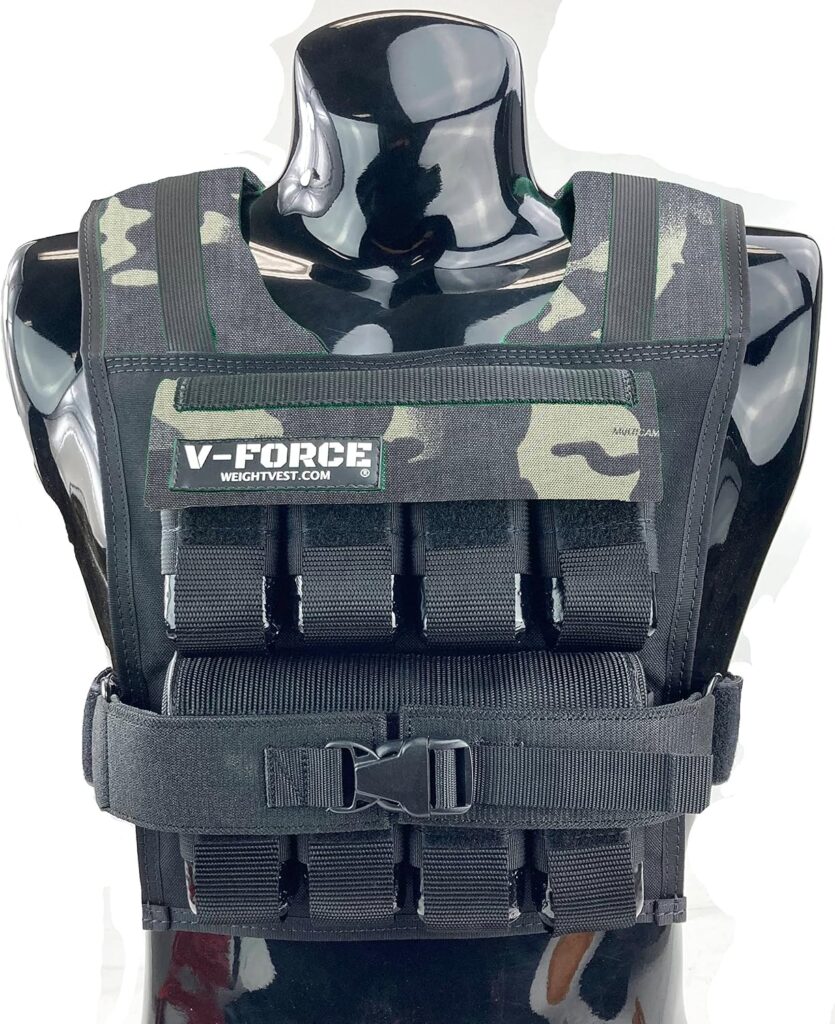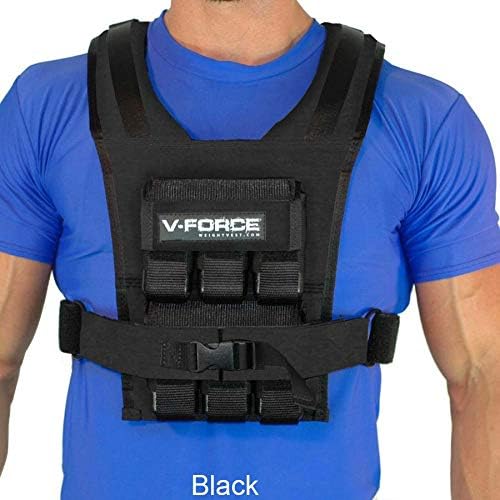
Training with a weight vest looks deceptively simple: strap it on, and every bodyweight movement you already know gets heavier. That is exactly why the question of a weight vest used in CrossFit Games training leads somewhere practical. The vest is the only extra equipment that follows you through runs, pull-ups, burpees, and step-ups without changing how the movements work. The short answer for most readers: you do not need a special Games-specific vest. What matters is a design that sits close to your torso, spreads its load evenly, and stays quiet through high-rep, mixed-style work.
One boundary before the details. Which Games workouts include a vest, and at what load, is decided by CrossFit’s own season announcements, and this guide does not pin down those specifics — treat the official rulebook as the final word on competition requirements. What it can settle, using three current vests as concrete examples, is how a vest behaves in Games-style training, which design choices actually matter, and how to pick a weight range you will not regret.
How a Weight Vest Behaves in CrossFit-Style Training
Where the load sits matters more than how much there is
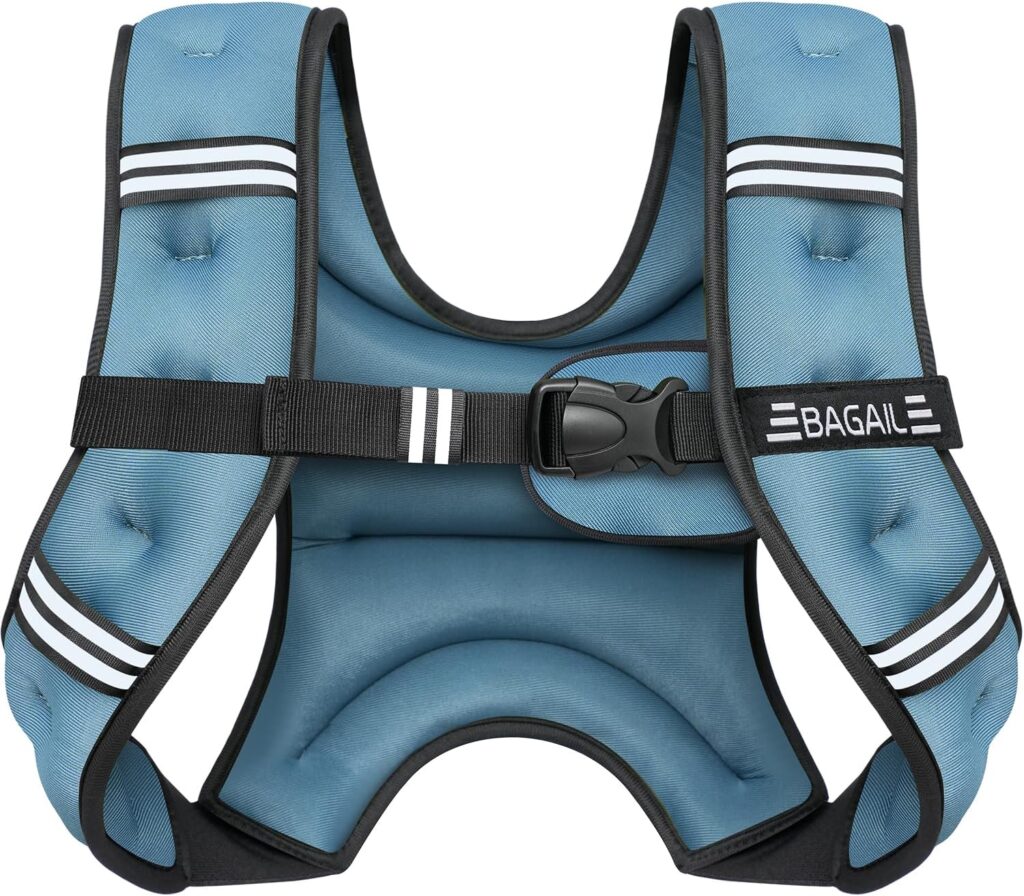
A vest only helps if its weight stays close to your center of mass. Loose designs bounce on runs, swing during burpees, and pull you out of position on pull-ups. That is why fill and construction deserve as much attention as the number on the label. Fine iron sand inside a neoprene shell, as in the BAGAIL Comfort-Fit weighted vest, conforms to the torso and spreads load evenly instead of stacking it in rigid blocks. The Sportneer 2-42 lb adjustable vest reaches the same balance a different way: sixteen removable 2.5-lb bags split eight across the front and eight across the back, so the vest stays even as you add weight.
Fixed versus adjustable weight
Fixed vests ship at one load and stay there. The Ama Divo fixed-weight vest, for instance, comes in 8, 12, 16, and 20 lb versions — simple to choose, and one less thing to fiddle with mid-session. Adjustable designs trade a little convenience for range: the Sportneer starts at 2 lb with the vest alone and climbs to 42 lb as bags go in, while the BAGAIL spans 5 to 30 lb. If your training will progress, an adjustable range keeps one vest useful for years; if you already know the load you need, fixed weight keeps sessions simpler.
Buckles versus zippers
Closure style decides how the vest fits and how quickly it comes off. Heavy-duty adjustable buckles, used on the Ama Divo and BAGAIL designs, cover a wide range of body shapes — the Ama Divo vest is explicitly built to fit plus-size athletes — and let you tighten the vest until it stops shifting. A zip-up design like the Sportneer goes on and off in seconds and adds dual locks at the waist and shoulders to hold the load in place during marches, metcons, and runs. Neither style is universally better; what separates them is how much fine adjustment you want once the vest is on.
How to Choose a Vest for CrossFit-Style Sessions
Affiliate disclosure: FitGearPilot may earn a commission on purchases made through the Amazon links on this page, at no extra cost to you.
Start with the weight range, not the model
Whichever design you shortlist, its range determines what the vest can do for you as training evolves. Match the top of the range to the hardest loading you realistically plan, and the bottom to where you would start a new movement. An adjustable vest covers both ends; a fixed vest only makes sense when its single number is already right.
Fit and comfort decide whether you keep wearing it
Weighted work concentrates pressure wherever the vest touches first, so small design details carry long sessions. Smooth-stitched edges and a body-hugging cut, which the BAGAIL vest emphasizes to prevent chafing, matter as much as padding. Soft padding under buckles, a feature of the Ama Divo design, keeps hardware from digging in. Breathable neoprene and mesh panels help with heat through long metcons — sweat management is a comfort problem that shows up around round three, not round one.
Extras that earn their keep
Reflective strips front and back appear on all three example vests, which tells you how common low-light training is among the people who buy them. Storage is the other practical divide: the BAGAIL includes a detachable phone pouch that fits most phones up to 7 inches plus a rear mesh pocket, and the Ama Divo ships with a detachable arm bag for a phone, keys, or cards. If you train outdoors or program vest work into runs, both features pull real weight; in a garage gym, they are pleasant rather than essential.
Care rules differ more than you expect
Check cleaning requirements before you buy, because they are not standardized. The BAGAIL vest should be wiped clean with a damp cloth and air-dried — machine washing is off the table. The Sportneer’s neoprene shell is machine-washable once every weight bag is removed, which is a genuine convenience after sweaty months of training. A vest is a frequent-contact garment; the care method you can actually live with is part of the decision.
Practical Examples: Where a Vest Earns Its Place
Weighted bodyweight strength is the natural first stop. Pull-ups and dips become progressive resistance work with a vest on — the BAGAIL’s own recommended uses list weighted pull-ups and dips alongside burpees and sprints, and the same logic applies to push-ups and step-ups. If a design like the BAGAIL vest on Amazon matches your range, this is the kind of work it is built for.
Mixed-style conditioning is the second. Vest-on metcons — burpees, runs, carries, odd-object work — add load without adding equipment changes, and a secure fit is what keeps each round repeatable. The Sportneer’s dual-lock zip-up design targets exactly this use, rucking and metcon training alike; its Amazon listing has the current range details.
Low-intensity volume is the third. Walking or easy running with a lighter fixed load turns familiar aerobic work into strength-endurance training, which is where the Ama Divo vest’s simple fixed weights and snug buckle fit come in — see its current Amazon listing for the weight versions available.
Common Mistakes to Avoid
- Buying a load with nowhere to go. A fixed 20 lb vest is a commitment; if the weight outruns your progress or you adapt past it quickly, the vest sits unused. Adjustable ranges exist to solve this.
- Chasing weight over fit. A heavy vest that bounces on runs or shifts on burpees trains nothing except frustration. Distribution and closure security — the details above — beat raw poundage.
- Ignoring care instructions. Machine-washing a wipe-clean vest can ruin it; washing a bag-loaded vest can tear it. Know the care method before purchase, not after the first sweat session.
- Training dark sessions without visibility. Morning runs and evening outdoor work are exactly when reflective strips matter. If you train outside in low light, treat them as required, not optional.
- Using one load for every session. The vests above support different uses — weighted strength, metcons, easy aerobic volume. Loading a walk the way you load pull-ups misses what each session is for.
Decision Checklist
- Weight range: does it cover both your starting load and your target load?
- Distribution: is the fill iron sand or plates, and does it spread front-to-back evenly?
- Closure: buckles for fine adjustment across body shapes, or a zip-up with dual locks for quick changes?
- Comfort: smooth-stitched edges, buckle padding, breathable materials for long sessions?
- Visibility: reflective strips front and back if you train outdoors?
- Storage: phone pouch or arm bag if runs and walks are part of your week?
- Care: wipe-clean versus washable shell — which routine will you actually follow?
FAQ
Is there an official CrossFit Games weight vest?
Not one that this guide can name. Competition requirements — including whether a specific event uses a vest and at what weight — come from CrossFit’s official season announcements and rulebook. For training outside competition, any vest that fits securely and distributes weight evenly does the job; the Games connection does not demand a special model.
How heavy should a weight vest be for CrossFit-style training?
There is no single right number, and the ranges the vests in this guide cover vary too widely to prescribe one. The practical move is to choose a range that starts light and climbs as your training does, rather than committing to one heavy number — that is what keeps a vest useful over time.
Can you actually run in a weighted vest?
The vests covered here are designed for it: the BAGAIL is built for running and walking with a no-bounce, even-distribution fit, the Ama Divo lists running and cycling among its recommended uses, and the Sportneer covers runs and marches. A snug, well-distributed vest is what makes running with weight tolerable; a loose one will announce itself within a few strides.
How do you clean a weighted vest?
Follow the manufacturer’s instructions, because they genuinely differ: some vests are wipe-clean only, while washable shells can go in the machine once every weight bag has been removed. When in doubt, spot-clean and air-dry.
Related Commercial Guides
When you are ready to compare specific models in depth, the site’s buying guide to the best weighted vest for crossfit breaks down the strongest options for this kind of training, and the best weighted training vest guide covers designs built for broader strength work. For everything else in this training area, the category hub gathers all of the site’s Strength Training weighted vest guidance in one place.