
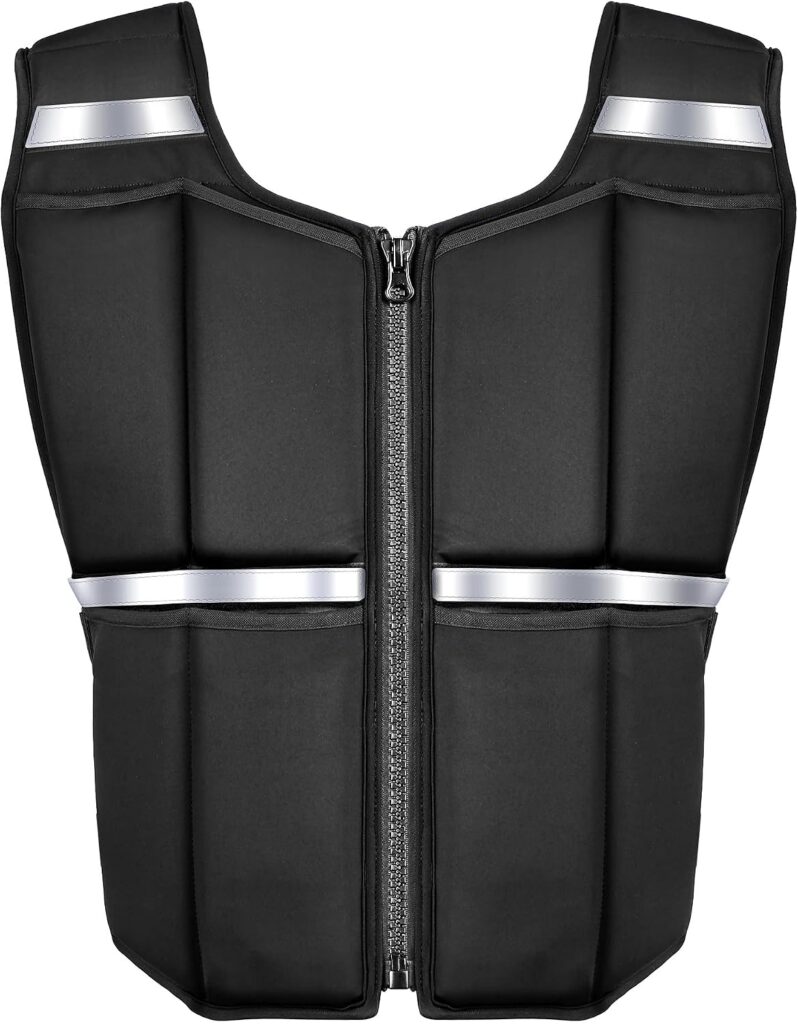
Weight Vest Sprints
Weight vest sprints explained: how much load fast running tolerates, how to protect your sprint form, and which vest features keep the weight still.
Weight Vest Sprints Read Post »
Running with a weighted vest places more emphasis on fit and stability than many lower-impact activities. A vest that shifts, bounces, or concentrates pressure in one area can become distracting quickly, so a secure close-to-body design is usually more important than simply choosing the heaviest option available.
When comparing weighted vests for running, look at the total load, weight distribution, closure system, shoulder design, torso adjustment, and how much bulk the vest adds. Reflective details and compact storage can also be useful for outdoor use. Some runners may prefer a fixed lightweight vest, while others may want an adjustable model that allows smaller changes in resistance.
The appropriate setup depends on the type of running, experience level, pace, distance, and personal comfort. A vest that works well for short conditioning sessions may not be the same one someone would choose for longer steady runs.
Use this section to compare running-oriented weighted vests and read guides about fit, comfort, weight selection, and practical use. Always review the listed product specifications and start with a load that matches your own training plan.
Weight vest sprints explained: how much load fast running tolerates, how to protect your sprint form, and which vest features keep the weight still.
Weight Vest Sprints Read Post »

What a weight vest actually changes on a run: which benefits hold up, which mistakes cancel them out, and how to pick a vest that fits the work.
Weight Vest Running Benefits Read Post »
How to run with a weighted vest: get the fit right, keep the load quiet, and weigh the real trade-offs before you add extra weight to your running.
Weighted Vest Workout Running Read Post »
Compare six adjustable weighted vests for running by weight range, fit, and comfort, with clear picks for beginners, women, and heavy-load training.
Adjustable Weighted Vest for Running Read Post »
Compare eight weighted vests for running by bounce control, weight range, and fit: evidence-backed picks, trade-offs, and fit checks before your first mile.
Best Weighted Vest for Running Read Post »
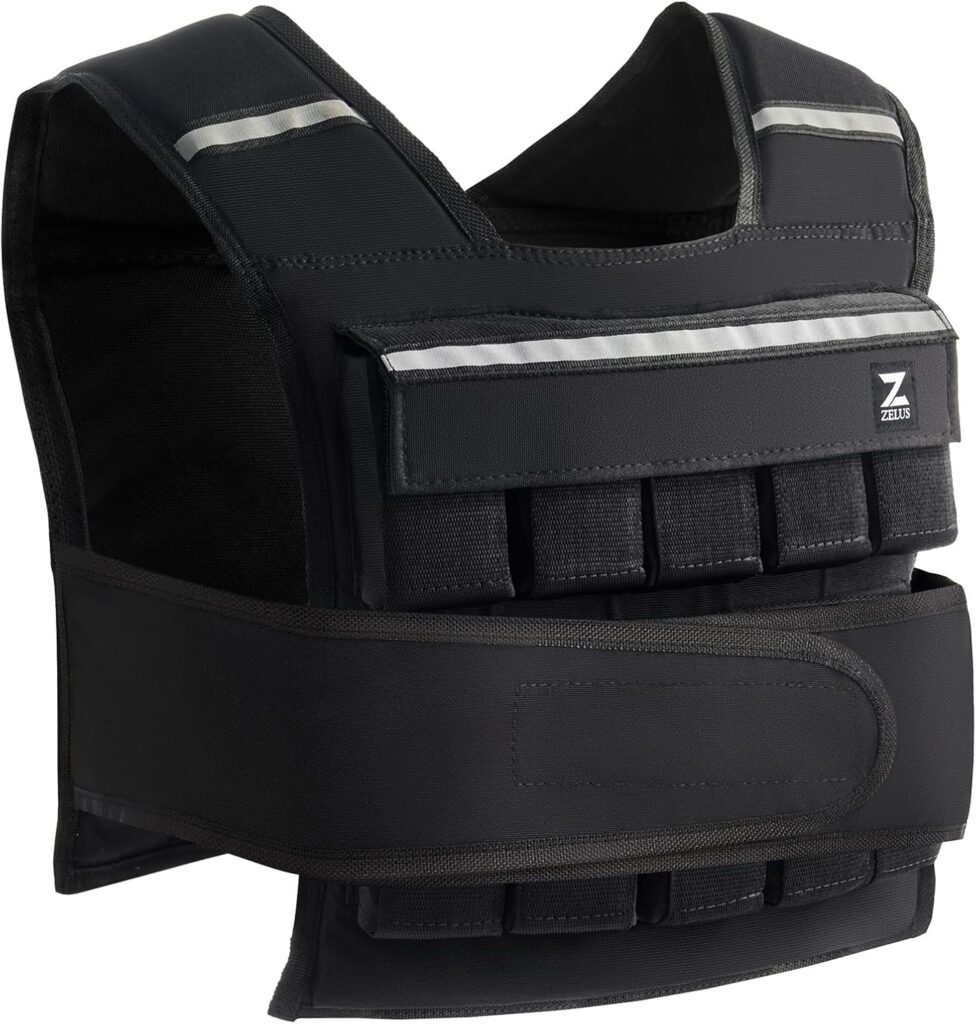
Source-based review of the ZELUS 45 lb Black vest covering adjustable loading, 34.3–49.6 in waist range, 0.2 in shoulder foam, hook-and-loop fit, reflective strips, and unresolved load increments.
ZELUS 45 lb Adjustable Weighted Vest Review: Specs & Fit Read Post »

Source-based review of the AmStaff Tactical 20 lb vest covering its 3 lb carrier, two 8.5 lb plates, waist adjustment, padding, material conflicts, fit gaps, running limits, and color mismatch.
AmStaff Tactical 20 lb Weighted Vest Review: Specs & Fit Read Post »

A source-based Chicvault 2–20 lb review covering its 18-pocket soft-counterweight system, 10-front/8-rear layout, fit gaps, fabric and closure conflicts, reflective strip, and washability.
Chicvault 2–20 lb Weighted Vest Review: Specs & Fit Read Post »

A source-based GORUCK Achilles 20 lb review covering fixed steel-pellet loading, 38–46 in waist guidance, 13 in body height, shoulder padding, materials, fit gaps, and buying checks.
GORUCK Achilles 20 lb Weighted Vest Review: Specs & Fit Read Post »

A source-based WOLF TACTICAL 35 lb weighted vest review covering sixteen 2 lb iron blocks, 600D nylon, fit gaps, quick-release closure, airflow panels, and buying checks.
WOLF TACTICAL 35 lb Weighted Vest Review: Specs & Fit Read Post »