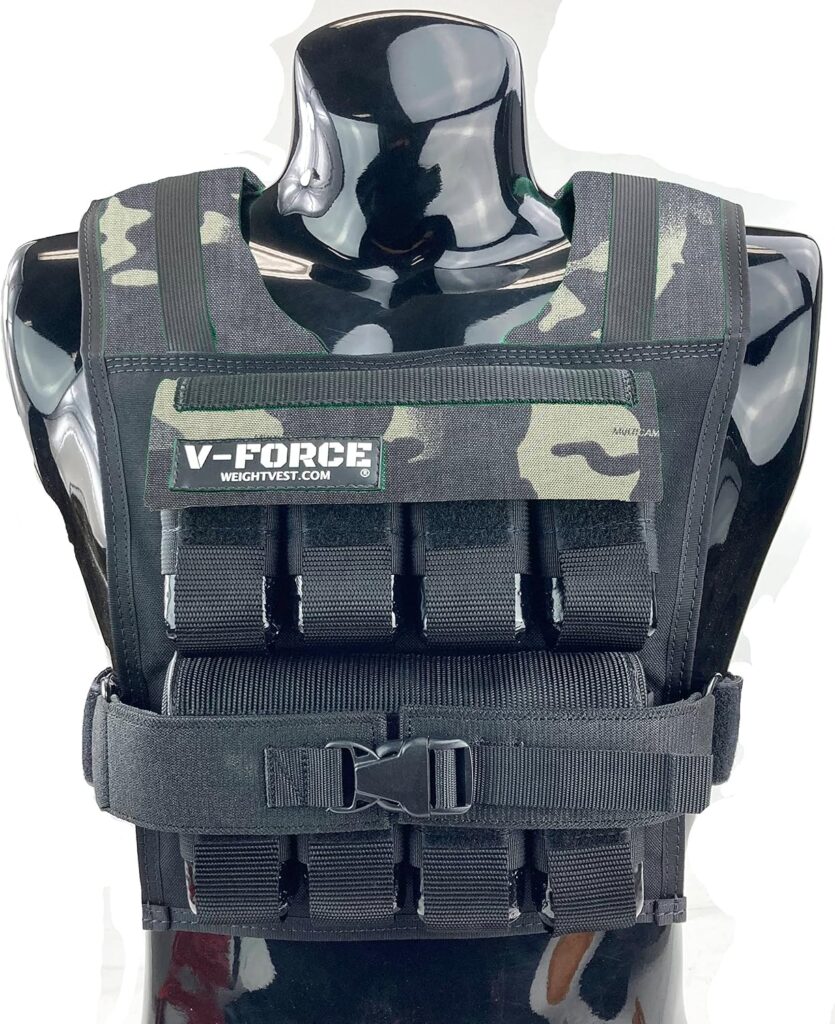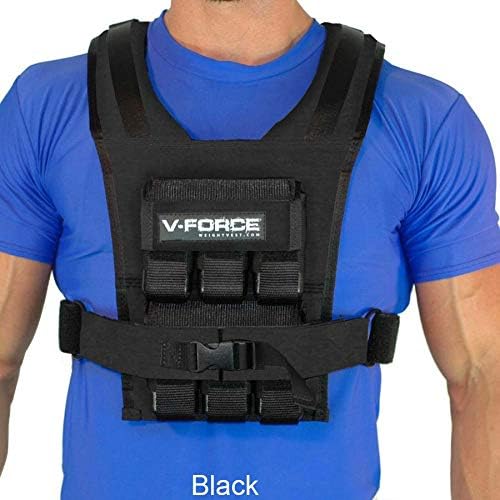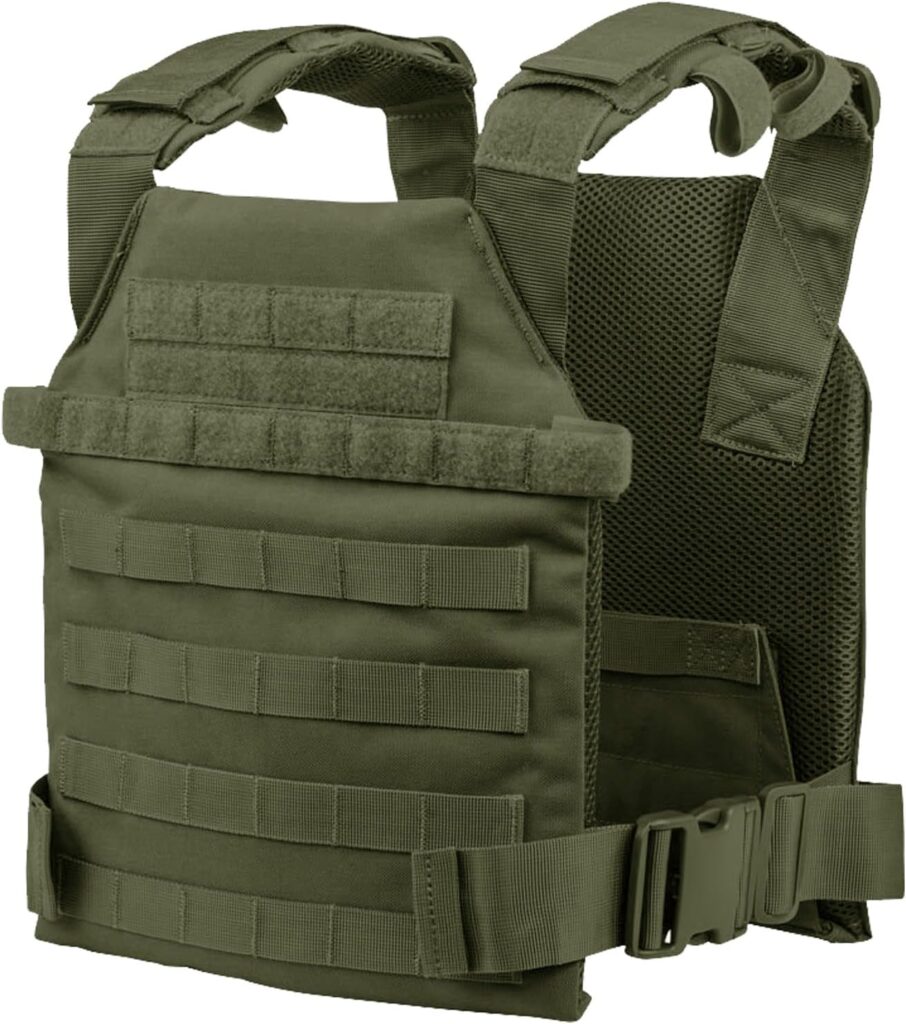
Searching for a plate carrier weight vest usually means one of two questions: can a plate carrier do a weight vest’s job, or which tactical-style vest is worth training in? Both are answerable before any product page is opened, and the answer mostly comes down to hardware — where the weight sits, what kind of plates the pockets take, and how the vest is built.
This guide walks through the category in that order: what the design actually is, what fits inside it, the fit and construction checks that separate a keeper from a return, and three current designs that show the range. Everything here is drawn from the captured product listings and search data behind this guide, not from hands-on testing; prices and ratings are listing snapshots and will move.
The Short Answer
A plate carrier weight vest is a training vest built on the tactical plate-carrier pattern: a hard-wearing shell with front and back pockets sized for weight plates, MOLLE webbing for attachments, and quick-release buckles that take the vest off in seconds. Loaded with suitable plates, it does a weight vest’s job — adding load to strength work, circuits, rucking walks and runs. The differences from a classic filled weight vest are design trade-offs, not a different sport: a plate-style carrier usually keeps the chest freer, holds its load in removable plates rather than sewn-in fill, and adds attachment points you will either use or ignore.
What the Design Actually Is
Three hardware features define the plate carrier training vest category, and all three do real work once the vest is loaded:
- Plate pockets front and back. Instead of fixed fill, the vest carries removable plates. The two tactical-style models compared below list pockets sized for 10 by 12 inch plates, each set rated to bear up to 50 pounds.
- MOLLE webbing and patch panels. Loops across the shell take pouches or a name patch; useful if you want the vest to carry accessories, decoration if you never will.
- Quick release. Buckle-based systems on the shoulder and waist straps let you shed the vest between sets or in a hurry, which matters more in practice than it sounds on a spec sheet.
The category’s other defining trait is cut. A plate carrier wraps less of the torso than a classic weight vest and leaves the chest uncovered — the GORUCK listing below makes exactly this point, arguing that an open chest preserves full range of motion for push-ups, running and rucking. The flip side is that less contact area means the fit hardware does more of the work.
What Fits in It: Plates and Capacity
Plate compatibility is the first practical check. The pocket dimensions are the contract: both the Miramrax and Greencity vests list front and back pockets for 10 by 12 inch plates, with a stated maximum of 50 pounds of load. The GORUCK Ruck Plate Carrier takes a different route — it is purpose-built for GORUCK’s own 10, 20 or 30 pound Ruck Plates, which are sold separately.
The vest itself is mostly container. The Miramrax shell weighs about half a kilogram and the Greencity about 1.5 pounds unloaded, so nearly all of the working weight arrives as plates. That is also why “weights for plate carrier” searches and vest searches overlap so heavily: the plate you choose effectively is the training weight, and it should be matched to the pocket — size and closure — rather than bought on guesswork.
How to Choose One
Four checks cover most of the decision, and none of them require trying the vest on:
- Waist range, not shirt size. The belt is what actually locks the load to your body. The two tactical models cover wide but different waist bands — one starting at 32 inches, the other at 38 — and both adjust through the shoulders and cummerbund. Measure first, then match.
- Padding and airflow where you need them. Mesh-padded plate pockets and 3D mesh lining are the two breathability approaches on show here; GORUCK drops spacer mesh entirely and lines the back panel and strap undersides with smooth Cordura so the vest can be hosed clean.
- Construction class. Nylon with reinforced stitching and a water-resistant shell, 600D polyester, and 1000D Cordura with a ballistic nylon bottom panel and YKK zippers represent three durability tiers — and three price tiers.
- Release hardware. Quick release on both sides of the belt is faster and more symmetric than a single pull; every vest compared here has some form of it.
Three Plate Carrier Vests, Three Different Briefs
The catalog behind this guide maps the category’s range well: two budget tactical vests and one premium rucking specialist. The snapshot table summarizes the hardware; the paragraphs after it describe who each design suits.
| Miramrax tactical vest | GORUCK Ruck Plate Carrier 3.0 | Greencity tactical vest | |
|---|---|---|---|
| Listed price at capture | $35.99 | $115.00 | $35.90 |
| Plate pockets | Front and back, 10 x 12 in | GORUCK 10/20/30 lb Ruck Plates | Front and back, 10 x 12 in |
| Stated load ceiling | 50 lb | 30 lb plate line | 50 lb |
| Fit range | Waist 32–52 in | One adjustable design | Waist 38–52 in, shirts S–XXXL |
| Listing rating at capture | 4.3 stars (355 ratings) | Not listed | 4.2 stars (332 ratings) |
| Standout | Water-resistant nylon shell, patch panels | 1000D Cordura build, lifetime guarantee | 3D mesh lining, dual quick release |
The budget all-rounder
The Miramrax tactical weighted vest is the classic feature set at the lowest price of the three: MOLLE loops, 3 by 6 inch patch panels front and back, mesh-padded plate pockets, quick release, and a water-resistant nylon shell stitched for outdoor use. It suits anyone who wants the full tactical package — attachments included — without spending rucking-specialist money. Check the Miramrax vest on Amazon.
The rucking specialist
The GORUCK Ruck Plate Carrier 3.0 is built around a different job: carrying GORUCK’s plates high and stable on the back, the position the listing calls preferred for rucking. Its Cordura-heavy build, EVA lumbar support, padded dual-density straps and lifetime repair promise put it in a different price class — and its open-chest cut is the clearest illustration of how the carrier format differs from a filled vest. It fits ruckers and minimalists best. See the GORUCK plate carrier on Amazon.
The comfort-focused alternative
The Greencity weight vest sits spec-for-spec near the Miramrax at the same price point, with its own emphasis: 3D mesh lining front and back for breathability, quick-release connectors on both sides of the belt, and MOLLE webbing throughout. The waist belt starts four inches higher, so it is the wrong pick for smaller frames, but for mixed training in warm conditions it is the comfort-first option. Check the Greencity vest on Amazon.
Affiliate disclosure: FitGearPilot may earn a commission on purchases made through Amazon links on this page, at no extra cost to you.
Using One in Training
A weight training plate carrier earns its place in three kinds of sessions. Rucking walks are the natural entry point — the load rides on your back and the pace is conversational, which makes fit problems obvious while they are still cheap to fix. Strength circuits come next: loaded squats, push-ups, pull-ups and carries, where the plate format’s quick release lets you strip the vest between movements. Both tactical listings also name running among their intended uses, and the open-chest carrier format exists partly for it; short, easy efforts are the honest test of whether a given vest stays put at a run.
On load: the capacities quoted above are hardware ceilings, not training prescriptions. The listings state what the pockets can bear, nothing about the right dose for any individual — keeping early sessions lighter than feels necessary is the conventional approach for a reason, and it is the safest reading of the evidence here.
Common Mistakes
- Guessing plate compatibility. The pocket is a dimension, not a formality — a plate that is even slightly oversized for a 10 by 12 inch pocket, or a non-GORUCK plate in a carrier cut for Ruck Plates, turns a training tool into a returned parcel.
- Sizing by shirt size alone. Two vests that both claim to fit can start their waist range four inches apart; the belt measurement is the number that decides fit.
- Treating the load ceiling as a starting dose. A 50 pound rating describes the stitching, not your first session.
- Ignoring cleaning design. A mesh-lined vest and a hose-down Cordura shell are different maintenance commitments; sweat is a certainty either way.
- Paying for webbing you will not use. MOLLE real estate is either a feature or dead weight depending on whether you attach anything to it.
A Quick Decision Checklist
Run any candidate through five questions before ordering:
- Do the plate pockets match the plates you plan to run — dimensions and closure?
- Does the waist belt cover your measured waist, not just your shirt size?
- Is there padding where the load lands and airflow where you run hot?
- Are plates included, or is the vest a container you still need to fill?
- Does the construction class match your use — and will you use the MOLLE space?
Frequently Asked Questions
Is a plate carrier weight vest the same as a regular weight vest?
The job is the same — added load — but the hardware differs. A classic weight vest carries fixed or sand fill across the whole torso; a plate-carrier style vest holds removable plates in front and back pockets, leaves the chest freer, and adds MOLLE attachment points. Neither format is universally better; the table above shows how the same job is packaged differently.
Do these vests come with plates included?
Check the box contents before ordering. The GORUCK carrier states plainly that its Ruck Plates are sold separately, while the two tactical listings describe pocket capacity without stating that plates ship in the box — a gap worth confirming with the seller rather than assuming.
Can you run in a plate carrier weight vest?
The Miramrax and Greencity listings both name running among their intended uses, and GORUCK’s carrier is designed to keep the chest free for running and rucking alike. Whether a specific vest runs well is a fit question — lockdown at the shoulders and waist decides it — so treat the first runs as short tests rather than workouts.
How heavy should a plate carrier weight vest be?
The hardware defines the range, not the prescription: 50-pound ceilings on the tactical models, a 10 to 30 pound plate line for the GORUCK. The load that suits you depends on the movement and your training history, and starting below the ceiling with clean movement is the approach the evidence here supports without overreach.
Related Product Pages
Full listings, current prices and buyer reviews for the three designs live on their product pages: the Miramrax tactical weighted vest, the GORUCK Ruck Plate Carrier 3.0 and the Greencity weight vest. For more ways to add load to training beyond the plate-carrier format, the site’s Strength Training weighted vest guidance hub collects the wider coverage.