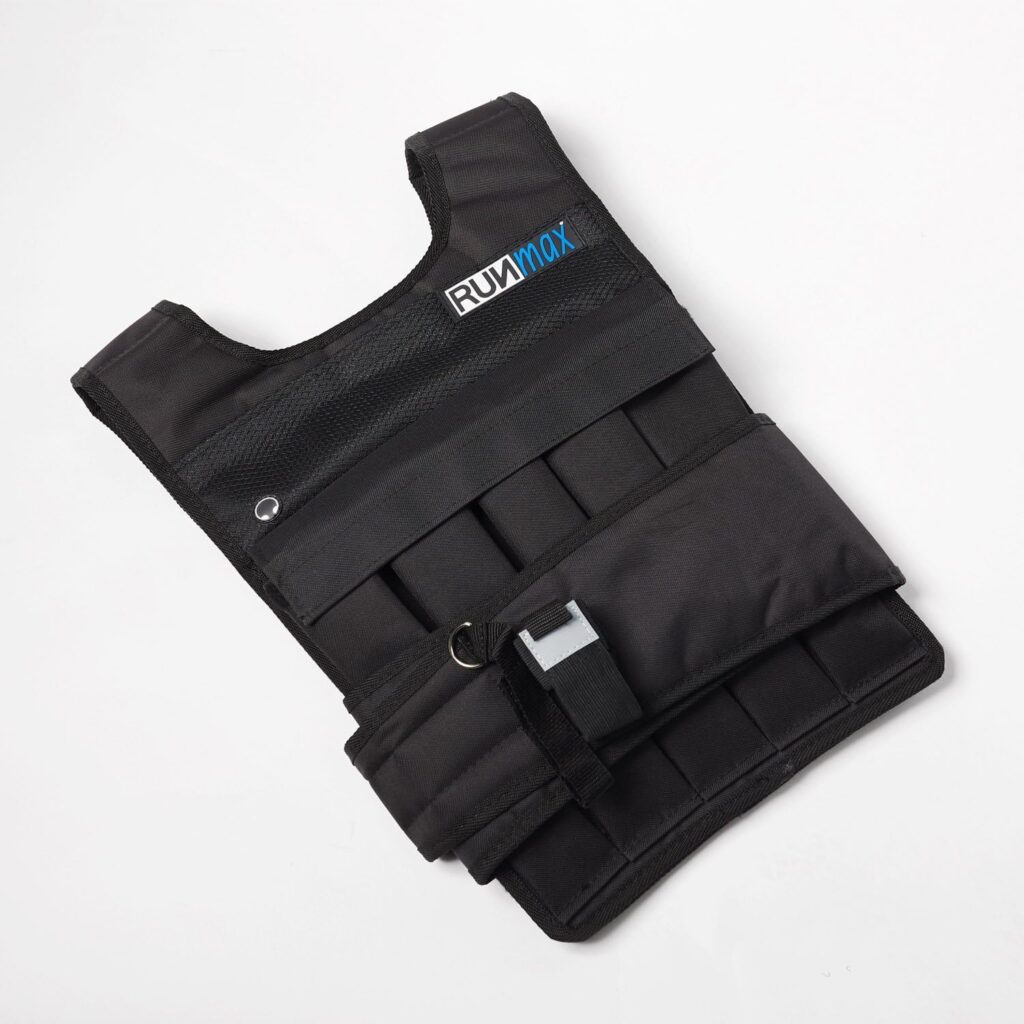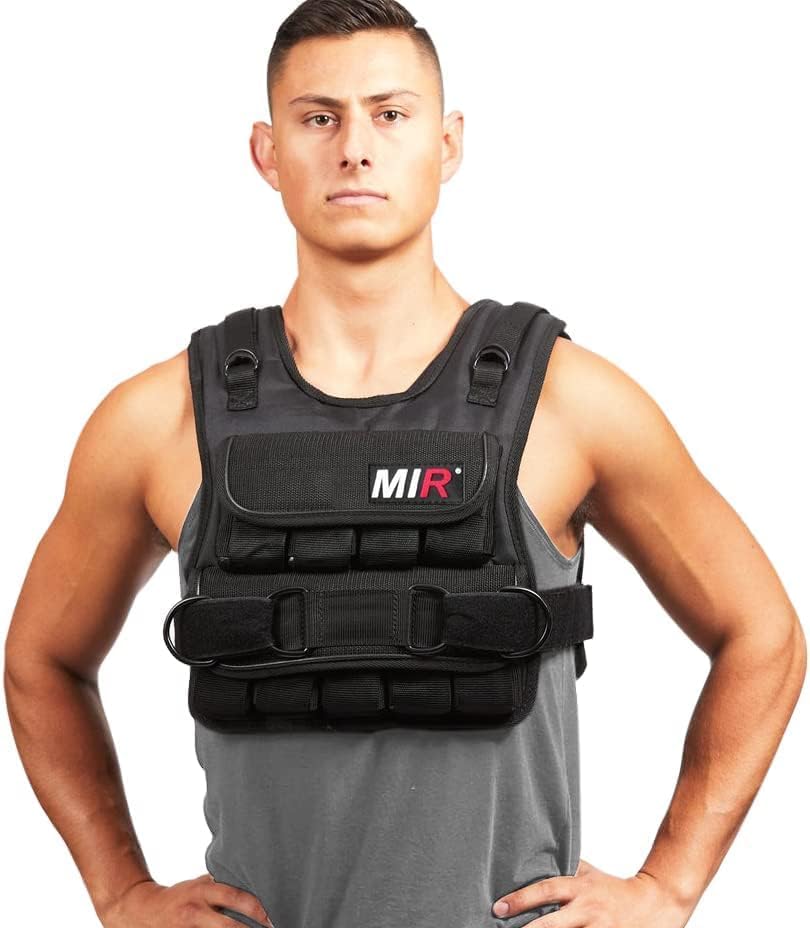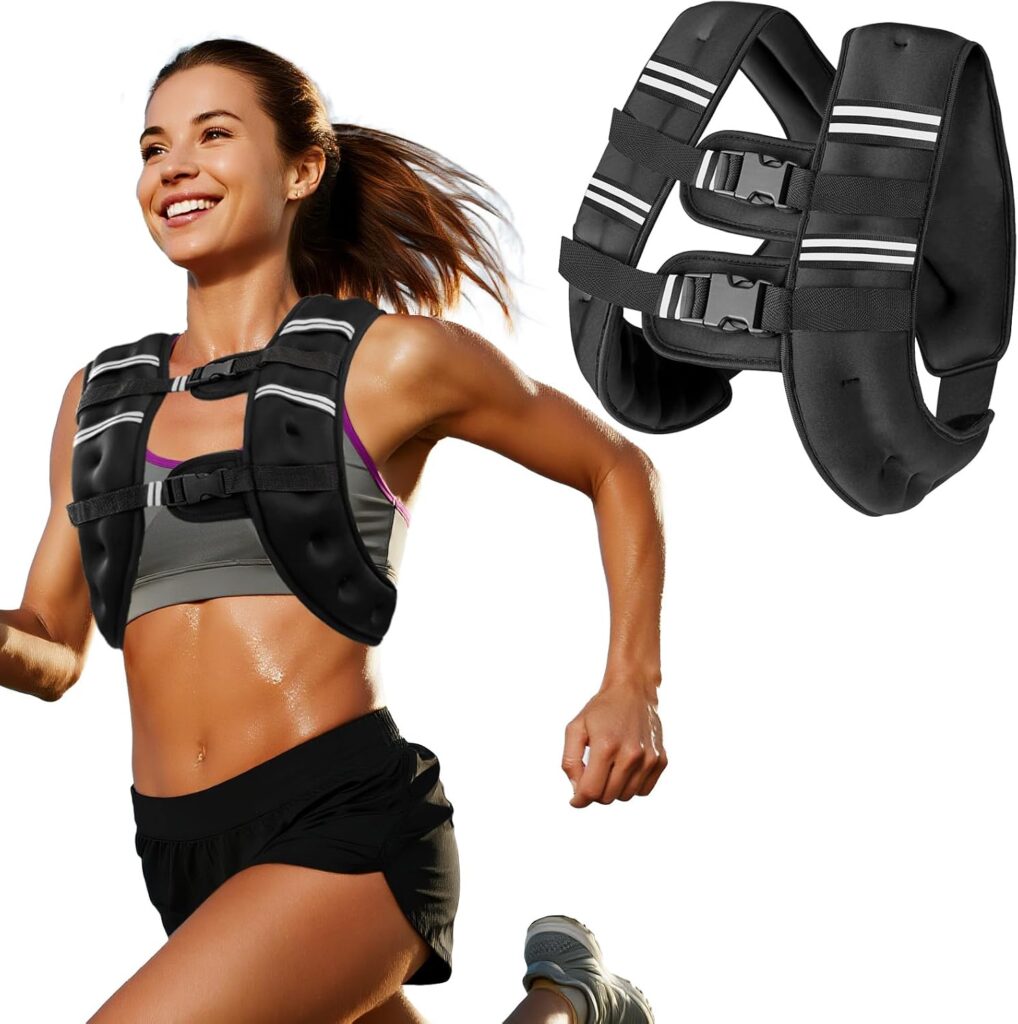
Most weighted vests are photographed on broad shoulders and marketed as one-size-fits-all, so it is fair to wonder whether a smaller-framed woman can wear one comfortably at all. The search behind “weighted vest small woman” is usually exactly that question: not a request for another product list, but for a straight answer about fit, starting weight, and what to check before buying.
The short version is that a smaller frame changes which vest details matter, not whether a vest can work. Adjustment range, load distribution, and where the weight sits on your torso decide comfort far more than height or clothing size. This guide walks through how fit works on a slighter frame, what a sensible starting load looks like, and which hardware separates a vest you will actually wear from one that gathers dust in a closet. Three women’s-oriented vests serve as concrete reference points throughout.
The short answer
A weighted vest can work well for a small woman, provided two conditions hold: the vest adjusts small enough to sit snug against your torso, and the load starts light. Body size itself is not the limiting factor. What decides comfort is whether the straps and closure pull the vest close, and whether the weight spreads evenly across the shoulders and chest instead of hanging off the front. Every vest compared below handles both through adjustable, buckle-based straps and even-load designs, and each one’s lightest configuration starts at 4 to 6 pounds.
Why fit matters more on a smaller frame
Where the weight sits
A vest that is too loose swings with every step; a vest that rides low drags on the shoulders and changes your posture. On a smaller torso there is less room for the load to settle, so distribution errors show up faster. The listings for the Zikopomi and VBSD vests both lead with even weight distribution as a fatigue-reducer, and Empower went further: its vest uses an X-shaped contour with an enhanced bust fit and an open chest area so the vest follows a woman’s shape instead of pressing flat against it.
Torso length and bounce
Excess strap length and high-set pockets put weight where it moves most on a shorter torso, and this is exactly where published numbers help. Empower states a waist fit range of 24 to 48 inches, the only one of the three that publishes a concrete fit window, which makes it the easiest one to size from a tape measure before ordering. For vests without a stated range, the adjustment hardware becomes the sizing story.
Closure and adjustment range
Two adjustment points beat one. Zikopomi uses two adjustable elasticated straps with a buckle closure, described by the maker as accommodating different body and chest shapes. VBSD uses a dual-buckle setup over padded, wide shoulder straps. Empower adds adjustable waist straps on top of its contoured cut. In all three cases the vest is sized by hardware rather than by clothing size, which is exactly what a smaller buyer should look for.
How to choose: the three checks that matter
Start with the lightest load that still challenges you
The maker framing here is a useful anchor: Empower explicitly positions its fixed 8 lb vest and its 4 to 10 lb adjustable version for women new to weighted walking or easing back into exercise. Begin where the vest barely changes your walk; add load only once the current setting feels routine. Buy a vest that only starts where you hope to finish, and you leave yourself no room to progress gradually.
Check the fit hardware, not the size label
Because most vests in this class are one-size, the label tells you little. The details that matter are countable: padded, wide shoulder straps, which VBSD and Empower both specify; a buckle-based closure that tightens instead of relying on elasticity alone; and reflective strips if you walk or run near traffic early or late, which all three listings include.
The three vests, side by side
Specs below come from each product’s own listing; we have not tested these vests.
| Vest | Load options | Fit hardware | What stands out |
|---|---|---|---|
| Zikopomi Weighted Vest Woman Man, 6lb/8lb/12lb/16lb/20lb/25lb/30lb Weight Vest with Reflective Stripes for Workout, Strength Training, Running, Fitness, Muscle Building, Weight Loss, Rucking Vest | Listing spans 6 to 30 lb; the 12 lb version is the one covered here | Two adjustable elasticated straps, buckle closure, double-stitched neoprene over iron sand | The listing advises airing a new vest out for 1 to 2 days before first use |
| EMPOWER Weighted Vest for Women with Reflective Strips – Fixed 8lbs, Adjustable 4-10lbs (4 in1) or Adjustable10-16lbs (4 in 1), Strengthen Muscles, Boost Bone Health, and Burn More Calories for Workout – Rucking Vest | Fixed 8 lb, adjustable 4 to 10 lb, or adjustable 10 to 16 lb | X-shaped contour with enhanced bust fit, wide padded straps, adjustable waist straps fitting 24 to 48 inches | The only vest here designed around women’s curves; the maker ties it to weight-bearing walking |
| VBSD Weighted Vest Woman 6lb/8lb/12lb/16lb/20lb/25lb/30lb Weight Vest for Women Men Body Weight Vests for Walking Strength Training Running Workout Jogging Fitness | Matches the Zikopomi span at 6 to 30 lb, again with the 12 lb version covered here | Dual-buckle adjustment, padded wide shoulder straps, neoprene with double-stitching to prevent sand leakage | Detachable front pocket plus a back mesh pocket for phone, keys, and headphones |
If you want to compare current sizes and prices on Amazon, the listings are here for the Zikopomi vest, the Empower vest, and the VBSD vest. Disclosure: if you buy through links on this page, FitGearPilot may earn a commission at no extra cost to you.
What this looks like in practice
Three common situations show how the details above translate into a decision.
Daily walking, mostly flat. Fixed-weight simplicity wins here. Empower’s fixed-weight vest asks nothing of you beyond putting it on, which is precisely how its listing frames it for consistent routines. When the point is to make a walk slightly more demanding without turning it into a project, a vest with no setup removes the excuse to skip it.
Walks mixed with strength circuits. Small adjustment steps matter when the same vest serves squats, push-ups, and stairs. Empower’s lower adjustable band covers that territory in small increments. If your plans run toward heavier training over time, the Zikopomi and VBSD vests leave more headroom, at the cost of hardware you may never fully use.
Early-morning or after-dark sessions. Visibility and carrying details matter most once your route crosses traffic before sunrise. VBSD’s front and back pockets keep a phone from bouncing in a jacket pocket, which on a dark winter walk does more for consistency than any load spec.
Common mistakes
- Assuming the biggest number on the listing is what arrives. The Zikopomi and VBSD vests are each sold in multiple weights, and the 12 lb models are the ones described in this guide. Check which weight you are actually ordering before checkout.
- Buying a unisex vest and skipping the fit check. A unisex cut can still work through its straps, but the countable details above — adjustment points, strap width, closure type — are what make the difference on a smaller frame.
- Ordering without measuring. One tape measure at the waist answers the sizing question for the only vest here that publishes a range, and gives you a baseline for judging everything else.
- Starting at the top of an adjustable range. Empower’s upper configuration is a poor first vest even though the same family fits beginners at its lower settings. Load that feels manageable on day one still changes how your shoulders feel by the end of a walk.
Decision checklist
- Measure your waist and compare it to any published fit range before you order.
- Count the adjustment points; more than one is the difference between a fit and a hope.
- Confirm padded, wide shoulder straps and an even-distribution or contoured design.
- Keep your first load at the bottom of whatever range you buy.
- Weight reflective detailing and storage pockets if your routes run long or dark.
Fail two or more of these lines, and no discount makes the vest worth it. The category has enough options that the right fit exists at every budget.
FAQ
What weight should a small woman start with?
Start with the lightest configuration the vest offers and stay there until the load stops feeling noticeable on an ordinary walk. Every vest compared here has a true starter setting, so there is no reason to begin heavy, and no prize for grinding through a load that changes how you move.
Will a one-size vest fit a petite frame?
Often yes, but only through its hardware. A one-size vest has no sizing to fall back on, so its straps and closure do all the work. Check how far the vest actually adjusts before trusting the one-size label; the Empower vest answers that question directly with an explicit waist window.
Can you run in a weighted vest if you are small?
Both the Zikopomi and VBSD listings name running among their recommended uses, and both tie their designs to even weight distribution, which matters more as impact increases. The practical test is simple: if the vest shifts or bounces during a brisk walk, it is not snug enough for running. A snug fit and a modest load are the sensible starting point.
Do weighted vests help with bone health?
Empower’s listing frames its vest as support for weight-bearing walking and bone health as women age. That is the maker’s positioning rather than a medical claim we can evaluate, so if bone density is your specific concern, a clinician who knows your history is the right place to confirm whether added load makes sense for you.
Where to go next
The three vests above are reference points for fit, not an exhaustive shortlist. For a wider set of options across loads and budgets, our comparison of the best weighted vest for women covers the category in depth. Everything also lives under the site’s Women weighted vest guidance hub, alongside guides for specific uses and training styles.