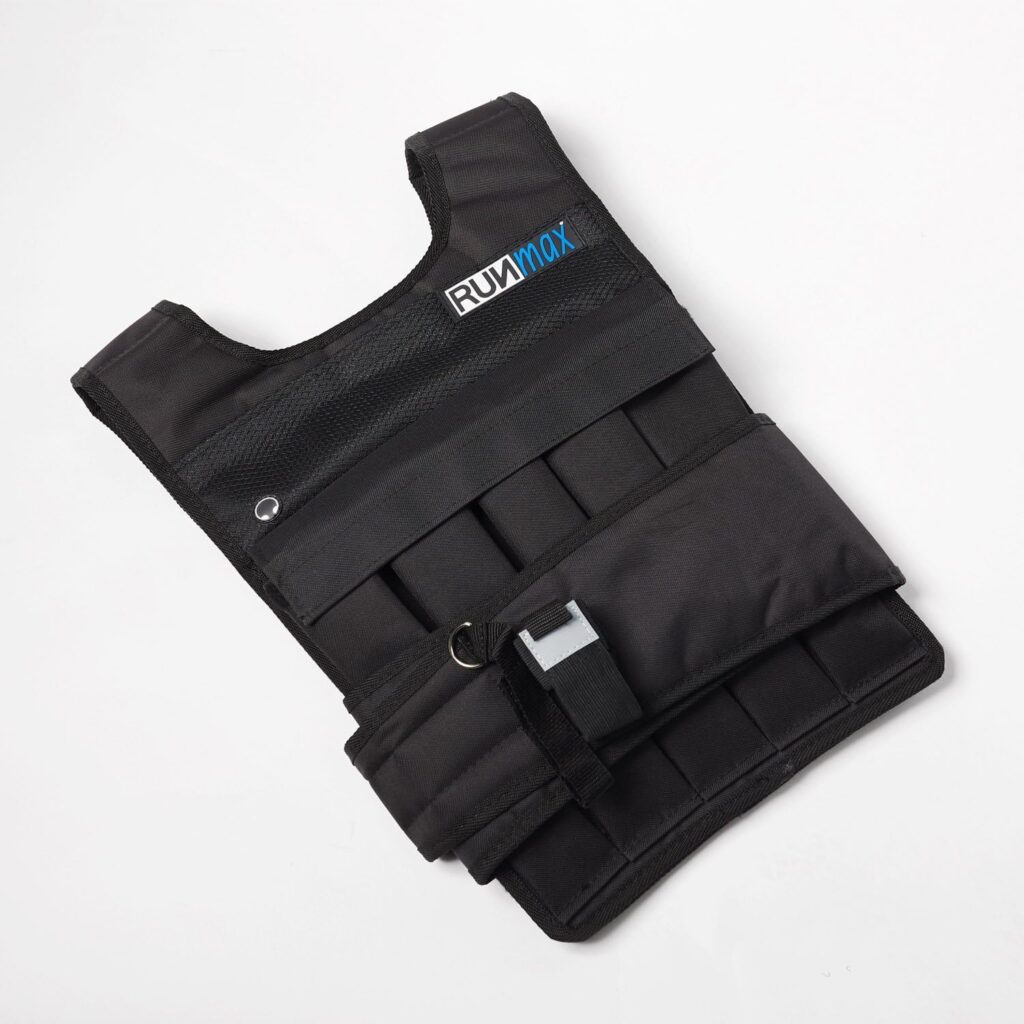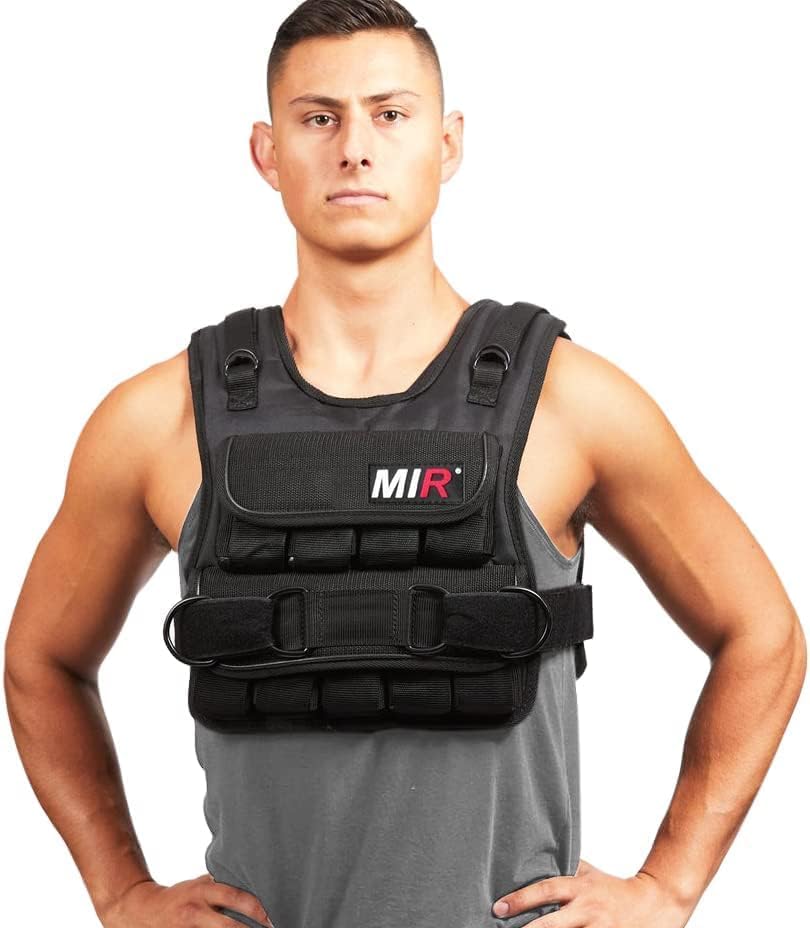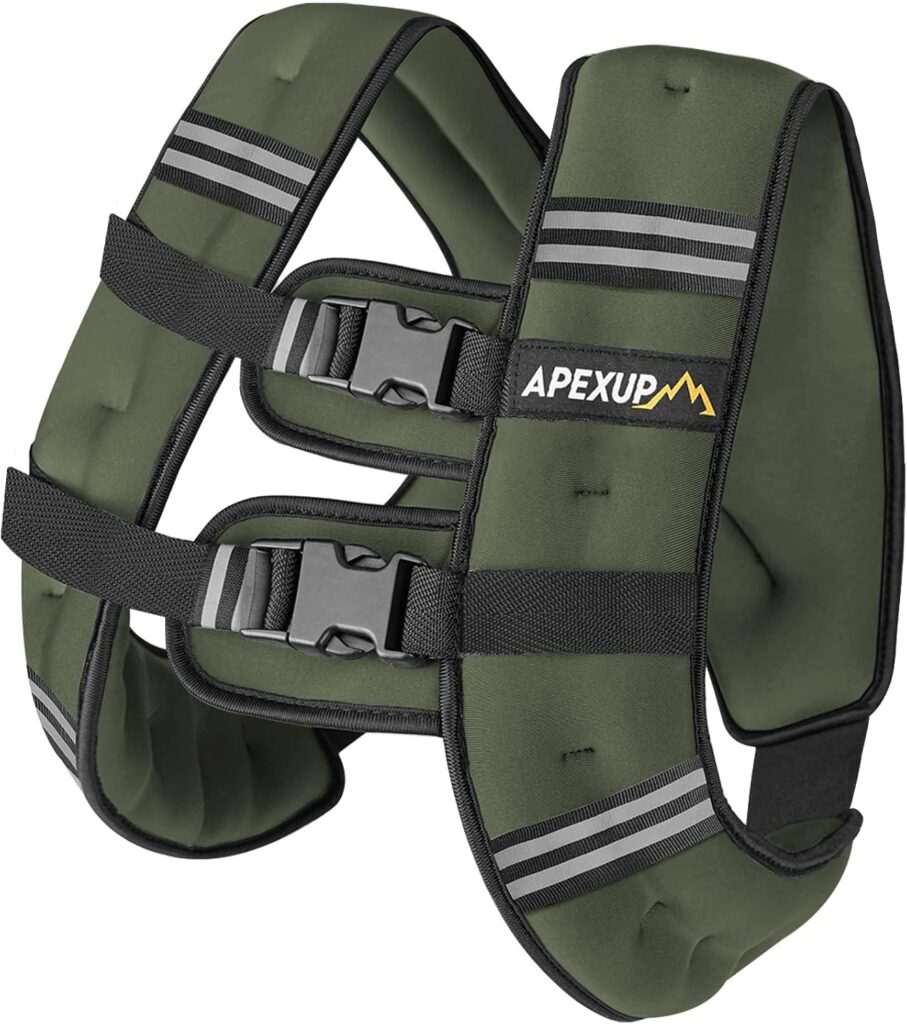
Adding weight to a day hike sounds simple: put on a vest and start walking. Choosing one is where it gets complicated, because a vest designed for a gym floor can ride up, bounce, or trap heat on a trail with real climbs. A weighted vest for women hiking has to bridge two jobs at once: fitness equipment on the way up, comfortable trail gear for everything else. What follows: what actually changes on the trail, and how to match a vest to the way you hike.
Three vests serve as concrete reference points throughout: the APEXUP vest with a fixed 15 lb load, the BAGAIL vest that grows from a 4 lb base in one-pound steps to 10 lb, and the Paleclouds vest spanning 6 to 12 lb with a ventilating U-shaped cut. They are not a shortlist; they are the examples the criteria hang on.
The short answer
A weighted vest works well for hiking when three conditions hold: the load starts light enough to keep your stride natural on climbs, the vest sits close to your torso so the weight moves with you instead of swinging, and the design accounts for trail realities — heat, a pocket for essentials, and visibility at the edges of the day. All three reference vests cover those bases with soft neoprene construction over iron-sand fill, secure buckle or strap adjustments, front storage, and reflective detailing. What separates them is how the load is delivered — one fixed 15 lb load versus two vests that grow in one-pound increments.
What a vest changes on a trail
A weighted vest concentrates load on your torso, spreading it across the shoulders and chest instead of hanging from one point. On a hike that weight raises the effort of every mile — exactly the point — but it also means small fit problems get louder the longer you walk.
Fit and movement
The difference between a vest you forget you are wearing and one that chafes comes down to contact and hardware. BAGAIL uses a body-contouring X-shape with a pressure-relieving U-neck and adjustable wide straps; the listing describes the fit as eliminating bounce and pressure points. Paleclouds pairs thickened shoulder pads with an adjustable chest buckle strap, and its listing notes that even weight distribution prevents the shoulder bruising caused by uneven loading. APEXUP relies on padded shoulder straps plus a waist belt, with a clip system for quick fit changes.
Heat and ventilation
Neoprene is the standard shell for women’s weighted vests because it is soft, durable, and comfortable against the body — all three reference vests use it over iron-sand fill. The trade-off is warmth, which matters more on a sun-exposed climb than in an air-conditioned gym. Paleclouds addresses this directly with a U-shaped cut that leaves the chest area open for ventilation, and its listing describes the neoprene as sweat-wicking and breathable.
Storage and visibility
On a hike, pockets decide whether the vest can replace a small bag for phone, keys, and ID. BAGAIL’s front Velcro pocket is 10 inches wide and sized for large phones and wallets; Paleclouds and APEXUP both add a front mesh pocket for smaller essentials. Visibility matters at the edges of the day: BAGAIL provides full 360-degree reflective coverage across the front, shoulders, and back, while the other two vests include reflective strips.
How to choose a weighted vest for hiking
Match the load to where you are, and keep it adjustable
Two of the three reference vests grow in one-pound steps. BAGAIL starts at a 4 lb base and adds six removable 1 lb ironsand bags; its listing frames that gradual progression as the design’s purpose for beginners starting walking or jogging. Paleclouds spans 6 to 12 lb with six 1 lb sandbags and an adjustable buckle strap. The alternative is a fixed weight: APEXUP comes as a single 15 lb vest for someone who already trains with load and wants one set-and-forget choice. If you are new to weighted hiking, the adjustable route is the one the listings themselves position for starting out — and removable weights let you match the load to the length of each hike.
Judge fit by hardware, not by clothing size
None of these vests is sized like clothing; they are sized by adjustment hardware. When comparing options, count the adjustment points: Paleclouds offers shoulder straps plus an adjustable chest buckle, APEXUP adds a waist belt on top of its clip closure, and BAGAIL uses wide adjustable straps over a contoured cut. Two or more adjustment points, plus a cut that clears the chest, is the baseline to look for.
Plan for pockets and low light
Two small checks finish the comparison. First, pocket size: measure your phone against the pocket description — BAGAIL states its 10-inch front pocket accommodates large phones, and the mesh pockets on the other two vests hold smaller essentials. Second, reflective coverage if you hike early or late.
The three vests, side by side
Specs below come from each product’s own listing; we have not tested these vests.
| Vest | Load range | Fit hardware | Trail-relevant details |
|---|---|---|---|
| APEXUP Weighted Vest Men Women, Weight Vest for Women Workout Equipment for Strength Training Running | Fixed 15 lb | Padded shoulder straps, waist belt, buckle clip closure | Reflective strips for low light; mesh pocket for keys or phone; listed uses include running, hiking, and strength training |
| BAGAIL Adjustable Weighted Vest for Women 4-10lb/12-18lb/20-32lb, Comfortable U-Neck Rucking Vest with 6 Removable Weights, Storage Pocket and Reflective Strips for Walking, Jogging, Weight Loss | 4 to 10 lb in six 1 lb removable bags (4 lb base) | X-shape contour, pressure-relieving U-neck, adjustable wide straps, buckle closure | 10-inch front Velcro pocket for large phones; full 360-degree reflective coverage |
| Adjustable Weighted Vest for Women, 6-12lb U-Shaped Weight Vest for Walking | 6 to 12 lb in six 1 lb sandbags | Thickened shoulder pads, adjustable chest buckle strap | U-shaped cut for chest ventilation; double-stitched seams; front mesh pocket; expanded reflective strips |
If you want to compare current sizes and prices on Amazon, the listings are here for the APEXUP vest, the BAGAIL vest, and the Paleclouds vest. Those are affiliate links, and we may earn a commission if you buy through them, at no extra cost to you.
What this looks like on the trail
Picture a rolling local loop you walk a few times a week. Starting with the BAGAIL vest at its 4 lb base, the first hikes feel almost normal; as that becomes routine, adding one pound keeps the progression honest without forcing a big jump. Over a season the same loop gets walked at up to 10 lb, and a lighter recovery hike is always one pound away.
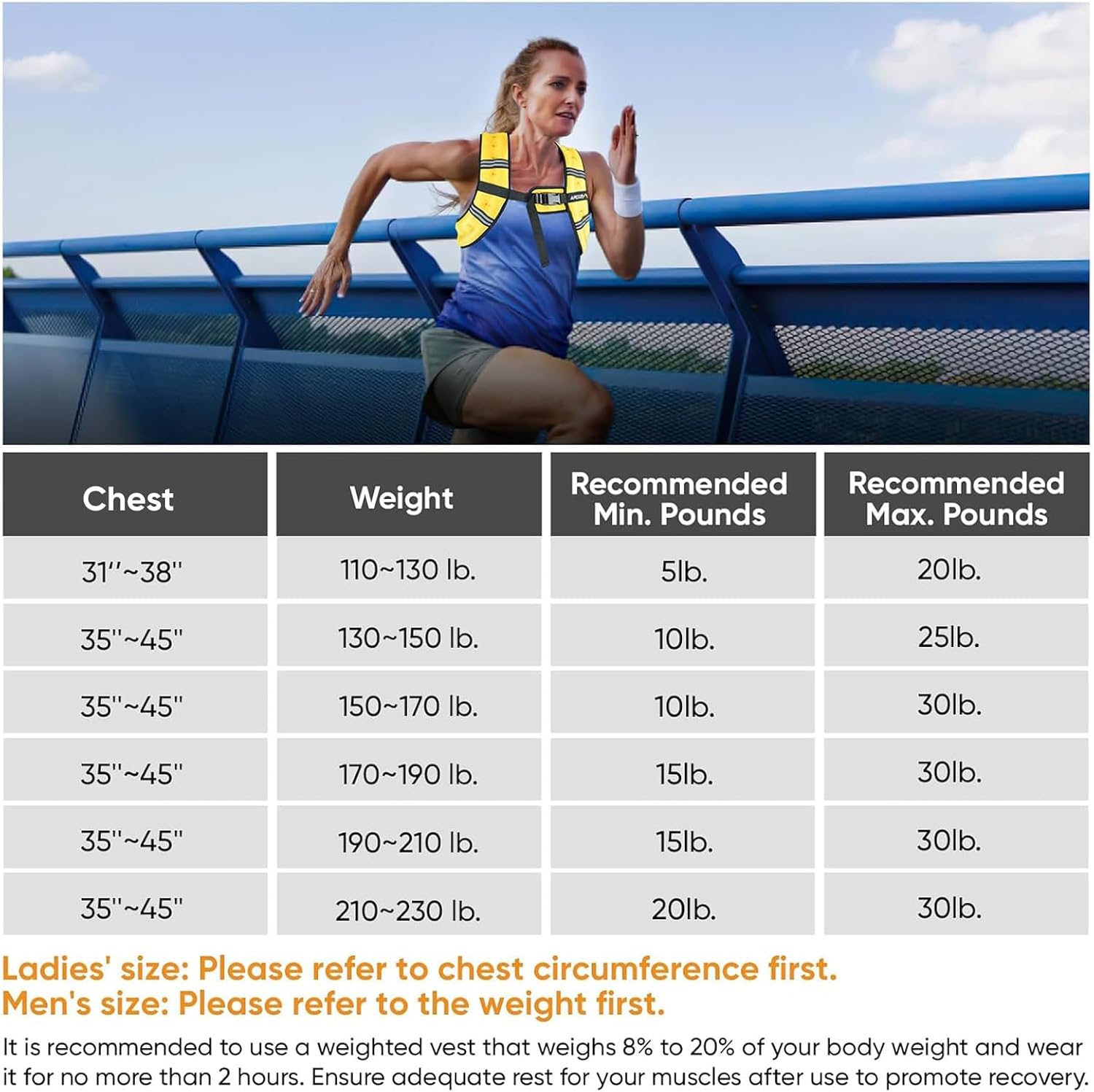
Now a steeper mountain trail and a hiker who already lifts. The fixed 15 lb APEXUP vest skips the incremental theater: the load is the load, every hike. The waist belt matters most on descents, where its promise of a secure fit keeps the vest from shifting at each step, and the mesh pocket takes the phone.
Or a hot-weather climb where the main question is whether the vest can be worn at all. The Paleclouds U-shaped cut keeps the chest ventilated, the shoulder pads carry the load on the uphill, and the chest buckle lets you loosen the fit on the climb and retighten it for the way down. Starting at 6 lb, it is the lighter entry point of the two adjustable vests.
Common mistakes
- Buying a fixed heavy load first. The 15 lb APEXUP vest is a legitimate choice, but for a first vest the one-pound increment systems match how the listings say to progress.
- Sizing by clothing size instead of hardware. A vest that matches your shirt size but lacks adjustable straps has nowhere to go once it feels loose.
- Ignoring low-light details until the first pre-dawn trailhead. Reflective strips are cheap at purchase time and impossible to add later.
Decision checklist
- Load: can it start at 4 to 6 lb and grow in one-pound steps, or do you already train at a fixed weight?
- Fit: at least two adjustment points — straps plus a chest buckle or waist belt — and a cut that clears the chest.
- Storage: a front pocket that actually fits your phone, not just your keys.
- Visibility: reflective strips at minimum; 360-degree coverage if you hike at dawn or dusk.
- Construction: neoprene over iron-sand fill with even weight distribution and reinforced seams.
- Care: wipe-clean maintenance you can live with after sweaty summer hikes.
FAQ
What weight should a woman start with for hiking?
The reference vests here bracket the sensible range: BAGAIL’s listing positions a 4 lb base with one-pound increments as the beginner-friendly starting system, Paleclouds starts at 6 lb, and the fixed 15 lb APEXUP vest is a better match for hikers who already train with weight. If you are new to weighted hiking, the one-pound-step vests let the trail set the pace.
How do you keep a weighted vest from bouncing on a hike?
Two things, both design-side: even weight distribution and snug hardware. Every vest referenced above combines an even-spreading fill with at least two cinch points — a chest buckle, a waist belt, or wide adjustable straps — precisely because a load that is spread across the torso and then strapped close has less room to move. A vest that cannot be cinched tight will bounce no matter how the weight is arranged.
How do you clean a weighted vest after a sweaty hike?
Do not put it in the washing machine. BAGAIL’s care instructions call for wiping the vest clean with a damp cloth and explicitly rule out machine washing, and that is the safe assumption for any neoprene-and-ironsand vest unless the maker says otherwise. Air the vest dry after wiping.
Where to go next
For a wider set of options across loads and budgets, the site’s comparison of the best weighted vest for women covers the category in depth, and everything lives under the Women weighted vest guidance hub.