An Olympic plate vest is a weighted vest that takes its load from weight plates — the same plates that load a barbell — rather than from weight sewn into the garment at the factory. The phrase describes a loading approach, not a single product: some plate vests ship empty with pockets waiting for your plates, some are built around a maker’s own plate system, and plenty of what sits under the term is an ordinary fixed-weight vest that never takes a plate at all.
Which of those you are looking at matters more than anything else on the spec sheet, because it decides whether a vest will accept the plates you already own. This guide walks through the three ways a weighted vest takes its load, the compatibility and fit checks that settle whether a plate vest works for you, and where each format earns its place, using the vests in our coverage as worked examples. If you are starting from zero, the Blog weighted vest guidance hub covers the wider ground first.
Affiliate disclosure: this guide contains affiliate links, and FitGearPilot may earn a commission on qualifying purchases at no extra cost to you.
What an Olympic Plate Vest Is
The idea is simple: pockets on the front and back panels hold rigid plates, and the vest itself is mostly shell. Because the load is removable, one vest can cover a light walking phase and a heavier strength phase without replacing anything. Two numbers define the format — pocket dimensions, and the maximum plate load the shell is rated to carry — and any listing worth buying from prints both.
The catch hides in the word Olympic. Standard barbell plates are round; many tactical plate pockets are cut rectangular, to match the armor-carrier pattern they borrow. Measure your plates against the pocket format a listing publishes before assuming a match — and where a vest states no pocket dimensions at all, treat that as a question for the seller rather than a yes.
The Three Ways a Weighted Vest Takes Its Load
Every vest under the plate-vest umbrella lands in one of three camps, and each buys you something different:
- Plate-pocket vests. Empty pockets front and back take plates you supply. If you already train with plates, they double as vest weight at almost no extra cost, and published ceilings run high enough for serious strength work. The price of that flexibility is homework: pocket format, plate shape, and capacity all have to line up.
- Proprietary plate systems. The vest and its plates are designed as one system, usually in a few fixed steps. Fit and stability are predictable because the maker controls both halves — but the plates are a separate purchase, and only the maker’s plates fit.
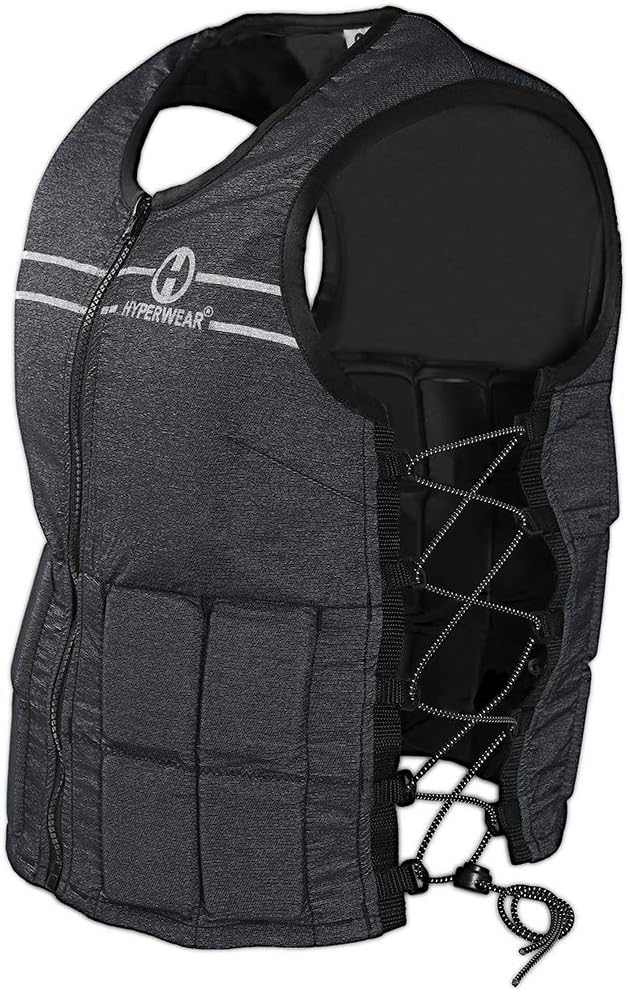
- Fixed-weight vests. The load is built in and never changes. There is nothing to buy, assemble, or lose — and nothing to grow with either.
The search for an Olympic plate vest is, in practice, a search for the first format with one question attached: will the pockets take the plates you have? Everything below answers that before you spend anything.
How to Choose and Load One
Start with the plates, not the vest. Round up what you actually own — diameter, thickness, weight — and check it against the pocket dimensions and capacity the listing publishes. Loading a vest with barbell plates is only a bargain if your plates are anywhere near the pocket’s format; if they are not, a proprietary system or a fixed vest is the more honest purchase.
Then check the fit. Tactical shells adjust with cummerbund belts and velcro shoulder strips rather than stretch, so a published waist range is a boundary, not a suggestion. Check yours before ordering, and confirm the shoulders adjust separately. If you plan to shed the vest between movements in a circuit, a quick-release earns its keep.
Last, weigh comfort and care against your sessions. Padded contact points move air and keep hard plates from pressing on bare skin. Cleaning varies more than you would expect across materials, and it is the detail people forget to check: some shells wipe down, some wash, some rinse.
The Options in Practice
Three formats from our coverage show how the trade-offs play out in real listings. Prices and ratings below are snapshots from our records, not live offers, and we have not tested these vests — every specification comes from the product listing itself.
Plate pockets: turn barbell-style plates into vest weight
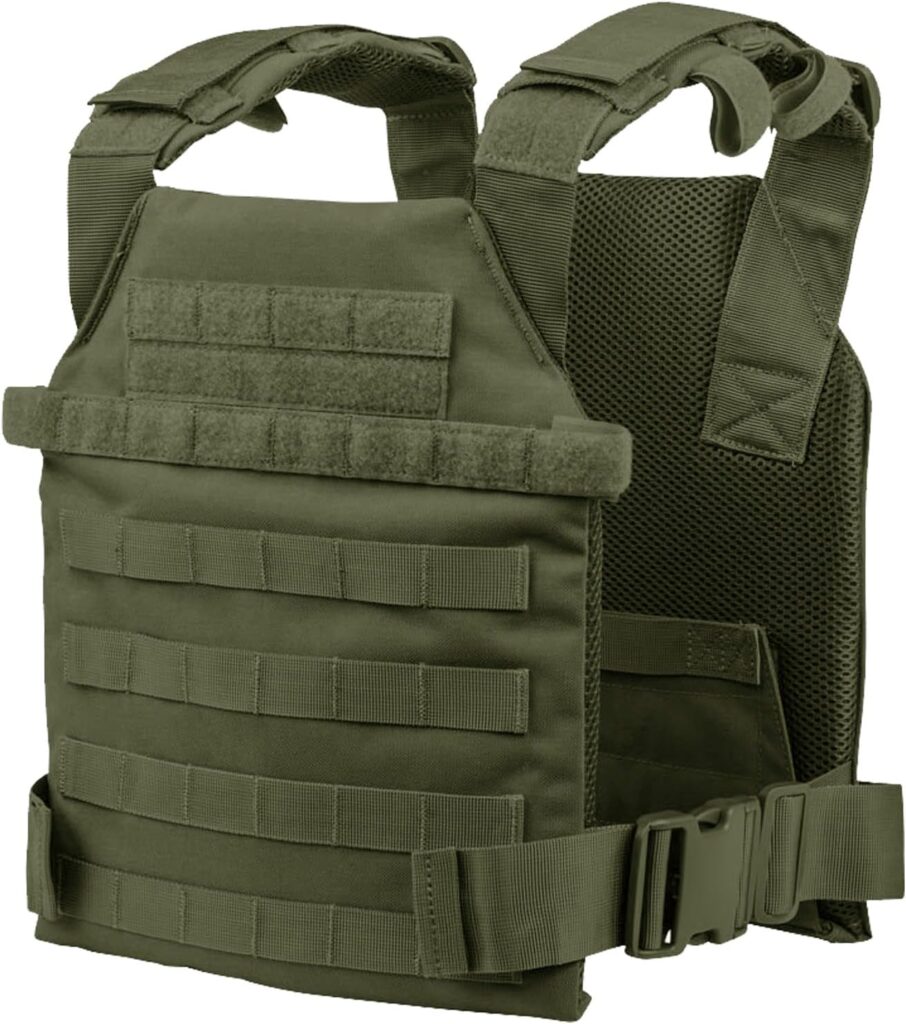
The Miramrax tactical weighted vest (listing snapshot: $35.99, rated 4.3 out of 5 across 355 reviews) is the format at its purest: front and back pockets sized for 10-by-12-inch plates and rated to carry up to 50 pounds of them, while the vest shell lists at just over half a kilogram. The water-resistant nylon shell is stitched with reinforced nylon threads, mesh-padded pockets move air against the torso, and quick-release hardware sheds the vest in seconds. A cummerbund fits waists from 32 to 52 inches across S-to-XXL frames, MOLLE webbing carries pouches, and 3-by-6-inch patch panels take name or morale patches front and back. Check the Miramrax vest on Amazon if your plates match the pocket format. Best for: turning plates you already own into vest weight with plenty of headroom.
A matched plate system: the rucking path
The GORUCK Ruck Plate Carrier 3.0 (listing snapshot: $115) takes the opposite approach: it is purpose-built for 10, 20, or 30 pound Ruck Plates, sold separately, and shaped to keep that weight high and stable on your back. The 210D Cordura lining on the back panel and strap undersides is smooth enough for bare skin and will not chew up merino or technical fabrics, ten millimeters of EVA foam supports the lumbar curve, and dual-density shoulder straps absorb impact during bear crawls and burpees. The build is 1000D Cordura over a 1050D ballistic bottom panel with YKK zippers, backed by GORUCK’s SCARS lifetime guarantee. Because it loads the front and back panels rather than wrapping the torso, the chest stays open for push-ups and running, and with no spacer mesh to trap odor it hoses off and hangs dry. See the GORUCK Ruck Plate Carrier 3.0 on Amazon. Best for: rucking and dynamic sessions where a matched plate system beats a generic pocket.
Fixed weight: the contrast case
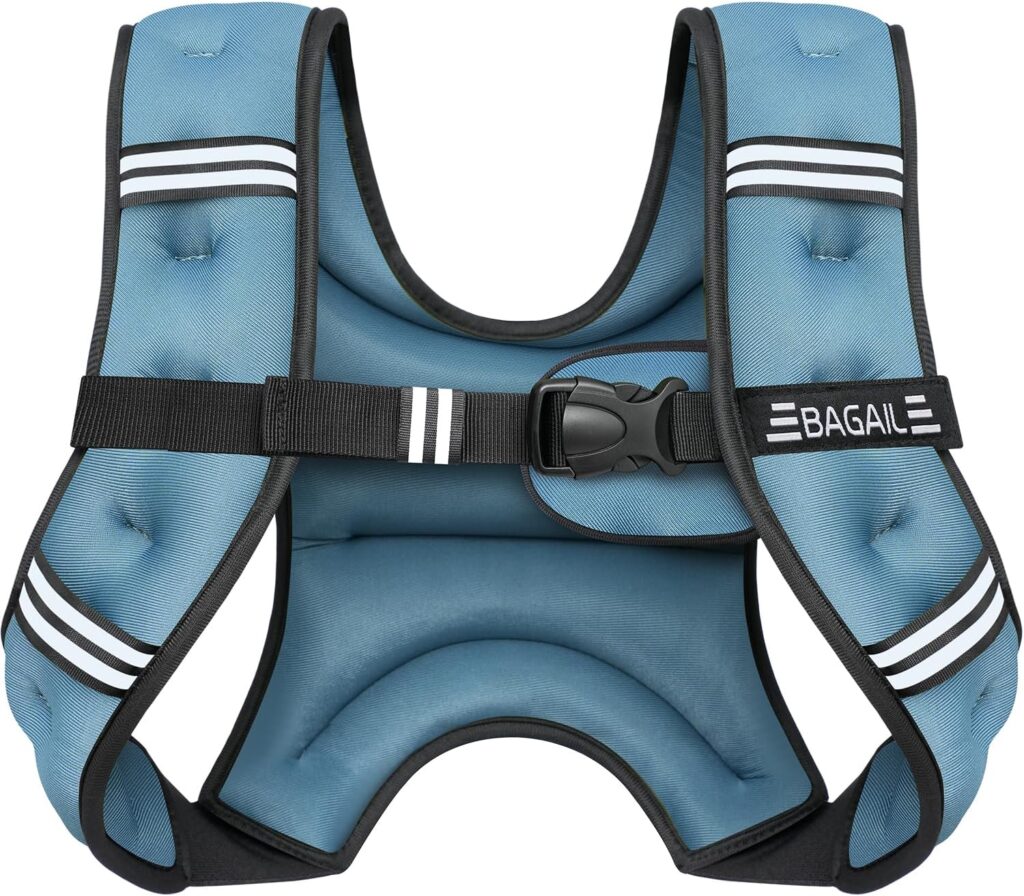
The Henkelion weighted vest (listing snapshot: $12.23, rated 4.5 out of 5 across 9,091 reviews) shows what an Olympic plate vest is not. Its 12 pounds come from iron pellets and metal rock rather than river sand, sewn in and — the listing is explicit — not adjustable. The neoprene body spreads that weight across front and back pockets, an adjustable strap keeps it from sliding mid-session, and a mesh pocket on the back leaves room to add a little extra. That pocket is a workaround, not a plate system. Check the Henkelion vest on Amazon if a fixed light load matches your training. Best for: light walking and jogging loads at the lowest price in this guide.
Common Mistakes to Avoid
- Buying the vest before measuring the plates. Pocket format is the whole compatibility test, and one measurement settles it. Round plates can sit in rectangular pockets, but only if the dimensions actually allow it.
- Pricing the vest but not the plates. Plate-pocket designs ship empty by design, and matched systems sell their plates separately, so the sticker on the vest is only part of the total.
- Treating the published waist range as optional. Tactical shells adjust rather than stretch. If your waist sits outside the stated range, no amount of strap-tugging fixes it.
- Buying headroom you will never load. A high plate ceiling only pays for itself if your training grows into it; for walking and light jogging, a fixed load is usually the cheaper tool.
- Reading tactical styling as protection. The look borrows from armor; the function is fitness. None of these vests is protective equipment.
Decision Checklist
- Measure your plates — diameter, thickness, weight — against the published pocket format and capacity.
- Pick the load path first: plates you supply, a matched plate system, or fixed weight.
- Check your waist against the published range and confirm the shoulders adjust too.
- Decide how the vest will be cleaned before you buy, not after the first sweaty session.
- Match the load ceiling to the sessions you actually train, and favor quick-release hardware if you shed the vest mid-circuit.
Frequently Asked Questions
Do standard barbell plates fit any plate vest?
Only if the pocket format allows it. The compatibility check above settles the question — match your plates’ dimensions against the pocket size the listing publishes, and where no dimensions are given, ask the seller before buying.
Do plate vests come with plates?
Usually not. Plate-pocket designs ship empty — that is the point of the format — and matched systems sell their plates separately. Fixed-weight vests are the exception: the load arrives inside, which is exactly why they are not plate vests in the first place.
Can you run in one?
The designs covered here name running among their intended uses, and the hardware reflects it: adjustable, anti-slip straps hold the load steady while you move. Start lighter than you plan to train at, and re-check the fit after your first few sessions.
Related Weighted-Vest Guides
If the plate math sounds like more than you want, the best weighted vest roundup compares factory-weighted options across price points and load ranges, while the best tactical weighted vest guide goes deeper on carrier-style designs, including the models covered above.