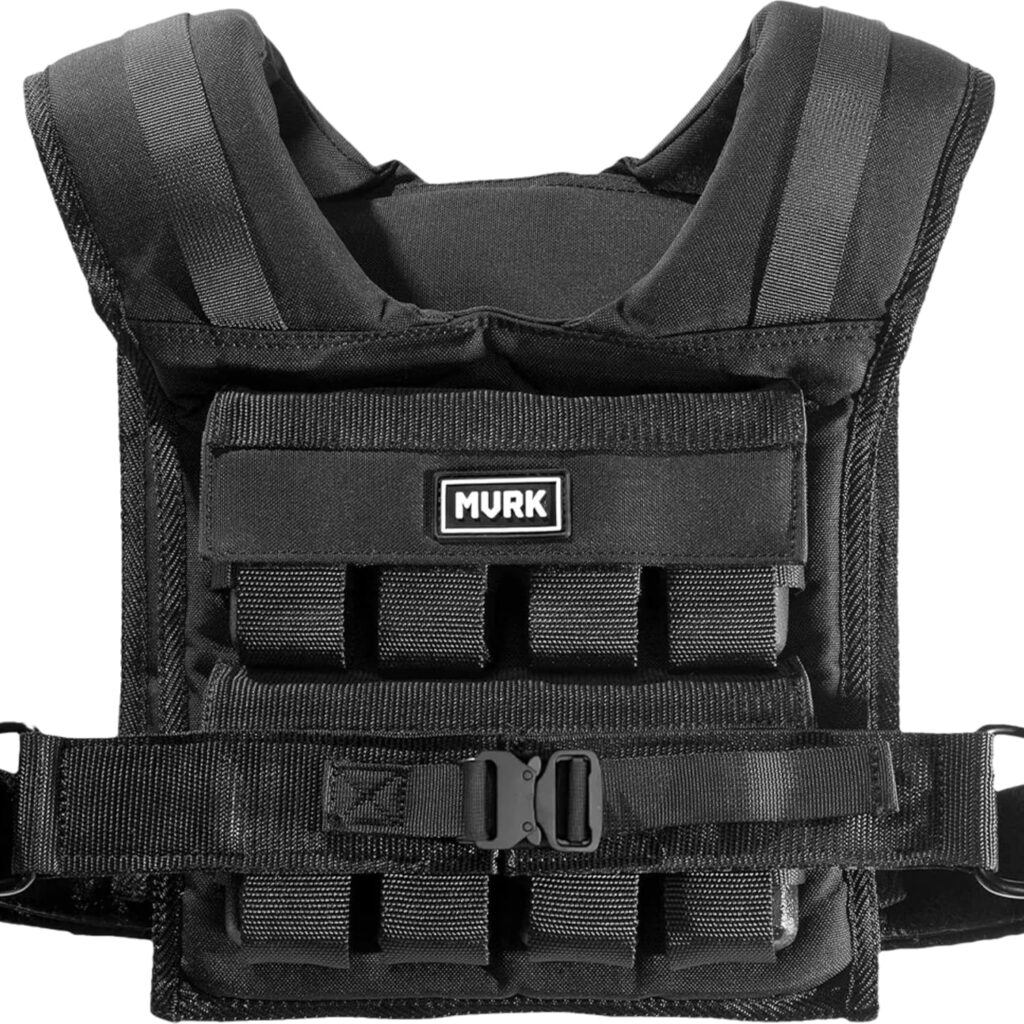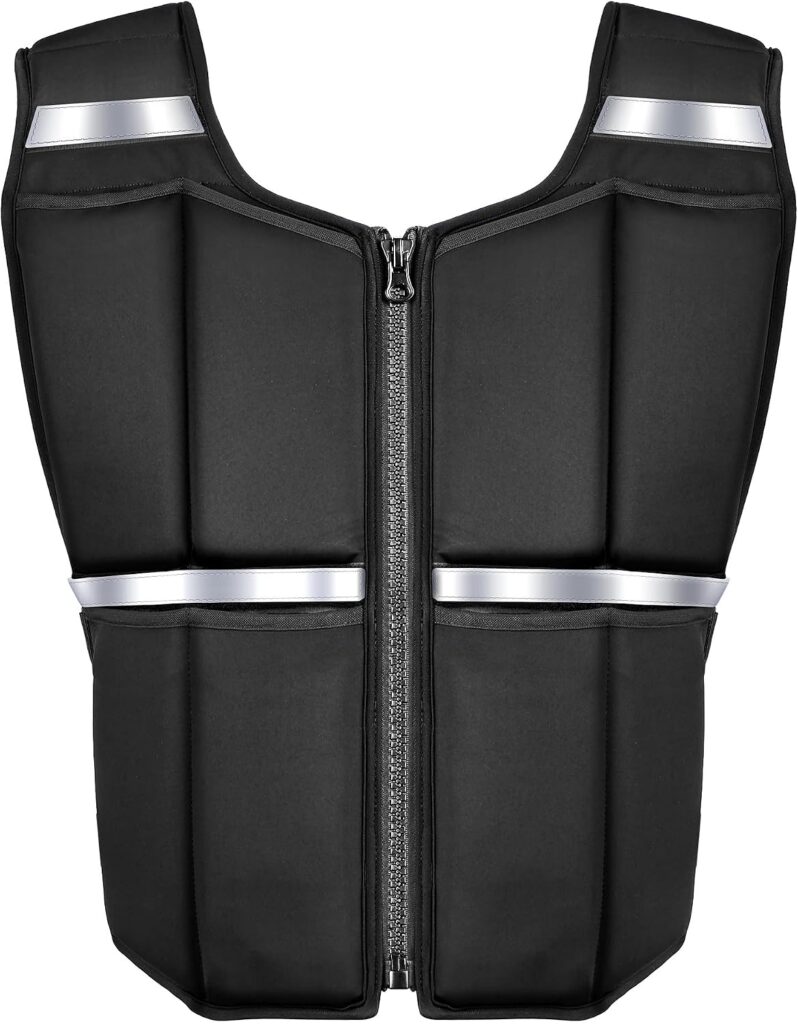
Weighted Vest for Beginners Men: The Direct Answer
A weighted vest adds load to whatever you already do — walking, squats, push-ups, stairs — without needing racks, dumbbells, or a gym membership. For a man trying one for the first time, the short answer: start with an adjustable vest that begins at just a few pounds, wear it first on easy walks rather than hard training, and add weight in small steps only once the last one feels routine.
The vest is a progression tool, not a test of toughness — that is why the approach above works. Men who stick with it tend to treat the first month as an adaptation period: light load, snug fit, shorter sessions, and honest attention to how shoulders, hips, and lower back feel afterward. This guide covers how the added load works, what the available evidence does and does not tell us, how to pick a first vest, and the mistakes most likely to end a beginner’s streak.
Core Concepts: What Added Load Actually Changes
Strapping weight to your torso changes three things at once. Every step, rep, and climb now moves more mass, so familiar movements cost more effort without changing form. The load also sits on your torso rather than in your hands, which keeps your grip free and taxes the frame — shoulders, core, hips — that stabilizes you. And the vest traps heat: most beginner vests use neoprene or similar fabric precisely because it is soft and sits close to the body, and that closeness comes with warmth you notice on longer sessions.
Two design choices matter more than any other for a first vest. Weight distribution should be even front to back, so the load feels like a thicker torso instead of a backpack — several vests split removable weights between the chest and the back for exactly this reason. Increments are the other. A vest that climbs in small steps — two pounds here, two and a half there — lets your body set the pace, while one that jumps in five- or ten-pound leaps forces bigger jumps in effort than most beginners want.
Evidence and Safety Context
Everything factual in this guide comes from the product listings of six adjustable and fixed-weight vests and from search interest around beginner vest training — not from lab testing or a training study run for this page. That shapes expectations: the comfort, durability, and adjustability claims below come from manufacturers’ own descriptions, and the sensible way to read them is as design intent rather than guaranteed results.
For a healthy beginner, safety is mostly a matter of moderation, not technique heroics. Even, torso-centered loading is easier on the body than concentrated weight — which is why designs filled with soft iron sand or flexible silicone blocks make even distribution a selling point. Start lighter than feels necessary, keep the first sessions short, and treat sharp joint pain, persistent lower-back ache, or dizziness as a signal to stop and reassess rather than push through. Anyone with a history of joint, spinal, or cardiac problems should read the individualized-guidance section near the end of this guide before the first walk, not after.
How to Choose a First Weighted Vest
Shopping for a first vest comes down to five practical questions. How low does the weight start, and how small are the steps? Does the closure — zipper, buckle, or clip — hold the load still when you move? Can the shell be cleaned after sweaty months of use? Are there extras you will actually use, like a pocket for keys or reflective strips for evening walks? And is there headroom in the range, so you are not buying a second vest in three months? The designs below show how those questions play out in practice.
Affiliate disclosure: FitGearPilot may earn a commission when you buy through the Amazon links on this page, at no extra cost to you.
Small steps and a cleanable shell: ONETWOFIT 2–45 lb
The 2-45lb Adjustable Weighted Vest Men w/Silicone Weights,Running Rucking Vest is built around fine progression: the vest alone weighs about two pounds, and sixteen silicone blocks take it up through 2–20, 2–35, and 2–45 lb configurations. The silicone weights are the standout detail — the listing describes them as soft, flexible, and rust-free compared with iron or sand — and they pair with a zipper closure, a machine-washable neoprene shell, and removable reflective strips in a design clearly aimed at daily walking and running first, hard training second. If that progression-first approach sounds right, you can check its current price on Amazon.
Three ranges on a budget: APEXUP 4–32 lb
The APEXUP Adjustable Weighted Vest, 4-10lb/12-18lb/20-32lb Vest with 6 Ironsand Weights and Large Pocket, Weight Vest for Men Women Strength Training, Running, Walking takes a different route to adjustability: one vest, a base self-weight, and six iron-sand bags, sold in three weight ranges (4–10, 12–18, and 20–32 lb) so you buy only the ceiling you need. A large front mesh pocket fits a phone and keys, reinforced stitching and reflective straps address durability and visibility, and the one-piece neoprene design suits walking, running, cycling, and gym work alike. For a first vest on a tight budget, it is an easy option to shortlist on Amazon.
Nothing to configure: APEXUP fixed 15 lb
Adjustability has a cost — bags to insert, blocks to store — and some beginners would rather skip it. The APEXUP Weighted Vest Men Women, Weight Vest for Women Workout Equipment for Strength Training Running skips it: a fixed 15 lb vest with a simple clip system, padded shoulder straps, a waist belt for a secure fit, and a mesh pocket, with reflective straps covering low-light sessions. Fifteen pounds is a serious starting load for walking, so this design suits men who already train and want a grab-and-go vest for strength circuits and conditioning rather than a from-zero progression tool. It is listed on Amazon here.
Headroom for rucking and strength work: Sportneer 2–42 lb
The Adjustable Weighted Vest Men 2-42lb Rucking Vest for Training starts gently — two pounds for the vest itself — and climbs to 42 lb on sixteen removable 2.5-lb iron-sand bags, eight across the front and eight across the back to keep the load balanced. A zipper plus dual locks at the waist and shoulders hold it close during marches, metcons, and runs, and the shell machine-washes once the bags are out. If your plans drift toward rucking or weighted calisthenics rather than neighborhood walks, this is the design with room to grow, and it is available on Amazon.
If you are shopping for a training partner too
Two of the vests covered in this guide are cut for women, and they are worth a sentence if a partner will join your walks. The Adjustable Weighted Vest Woman, 4-10/11-20/20-30 LB Weight Vest for Women from TB3C adjusts in three ranges with padded straps, buckles, and a back mesh pocket, while the Adjustable Weighted Vest Women, 6-12 Lb Ruck Vest with 6 Ironsand weights from UOPON uses an X-shaped design with six one-pound packs and enlarged pockets. Both carry the same reflective-strip safety detail as the men’s designs and are sold through Amazon (TB3C, UOPON).
Practical Examples: A Sensible First Month
Here is the light-start principle on a calendar. Weeks one and two: three walks of twenty to thirty minutes at the vest’s lowest setting — around two to four pounds on the adjustable designs above — and no other change to your routine. Weeks three and four: keep the same walks and add one or two short bodyweight sessions in the vest, such as squats, incline push-ups, and step-ups, still at or near the lowest weight. Only when both feel easy do you add the next increment, which on small-step designs means another two pounds or so rather than a leap.
Second example: a man who already lifts three days a week but has never worn load. For him, the vest is a way to make push-ups, lunges, and pull-aparts harder without buying plates, so the fixed 15 lb approach can work from day one — adaptation risk drops when baseline strength exists. The walking-first and strength-first plans are both legitimate; what they share is starting below the ceiling and letting comfort, not ego, set the schedule.
Common Mistakes That End Beginner Vest Streaks
- Starting at the top of the range. A 40 lb first session is how shoulders and lower backs complain; every design above starts low for a reason.
- Skipping increments. Two-pound steps feel trivial, which is exactly why they work — adaptation keeps pace with load instead of chasing it.
- A loose fit. Weight that bounces or swings turns a walk into a shoulder workout and throws off your stride; buckle and dual-lock designs exist to prevent it.
- Wearing it for everything. The vest is a tool for specific sessions, not an all-day accessory; recovery walks without load still count as training.
- Ignoring heat. Neoprene holds warmth, so shorter sessions and hydration matter more than in unweighted training.
A Short Decision Checklist
- Does the vest start at or below about four pounds, with increments of roughly one to three pounds?
- Is the weight distributed front and back rather than concentrated in one pocket?
- Does the closure system promise a snug, bounce-free fit at walking and running speeds?
- Is the shell washable, and are the weights removable first?
- Do you need the extras — pockets, reflective strips — for how you will actually train?
- Is there headroom in the range so the vest still challenges you in six months?
Frequently Asked Questions
What weight should a man start with?
At the bottom of the range. Beginner-friendly designs begin around two to four pounds, and there is no prize for starting heavier; the increments exist so the load climbs only when the current one feels unremarkable.
Can you walk with a weighted vest every day?
Daily walking is the use case most of these vests are designed around, but daily high-intensity training in a vest is a different story. Rotate demanding sessions with plain-body recovery days, and let lingering soreness decide the schedule rather than a streak.
How tight should the vest be?
Snug enough that it does not shift when you jog in place or reach overhead, but not so tight that breathing or shoulder movement suffers. Waist belts, shoulder locks, and stretchy neoprene all serve this; if the load moves independently of your torso, retighten before continuing.
Is a more expensive vest better for a beginner?
Not necessarily. What separates a good first vest is low starting weight, small increments, even distribution, and a secure fit — features available across the budget and mid-price designs in this guide. Spend more only when a specific feature, like silicone weights or a higher ceiling, matches a specific plan of yours.
Related Commercial Page: Where to Compare Vests
Once you have a starting plan, the site’s roundup of the best weighted vest for men compares these designs alongside heavier-duty options. For everything else in this category, the Men weighted vest guidance hub collects the site’s men-focused coverage in one place.
When Individualized Professional Guidance Makes Sense
General advice covers general situations. A physical therapist, sports doctor, or qualified coach earns their fee when yours is not: returning from a back, knee, or shoulder injury; training with a cardiac, respiratory, or metabolic condition; or persistent pain that shows up as soon as the vest goes on. The same applies to men new to exercise altogether — a few sessions with a coach to learn squat and push-up form before adding load costs less than months of unlearning bad habits. Everything in this guide assumes a healthy reader using common sense; a professional’s assessment replaces that assumption with an actual one.