Most searches for weight vest benefits for men come down to one practical question: does strapping extra weight to your torso actually change your training results, or does it just make every session more uncomfortable? The direct answer is that a weight vest adds constant, evenly distributed load to every movement you already perform. The same walk costs more energy, push-ups and squats turn into loaded strength work, and your skeleton takes on more mechanical stress — the stimulus bone density responds to. One mechanism, and every genuine benefit flows from it.
The honest framing matters as much as the promise: a vest multiplies the work you already do — it does not replace a routine. Used on top of walking, bodyweight training, or rucking, it is one of the simplest resistance tools a man can own; used carelessly, it mostly teaches you what chafing feels like. This guide covers the mechanism, the benefits you can realistically expect, how to choose and use a vest properly, and the mistakes that waste the investment. For surrounding context, the Men weighted vest guidance hub collects the whole category.
What a Weighted Vest Does for Men: The Short Answer
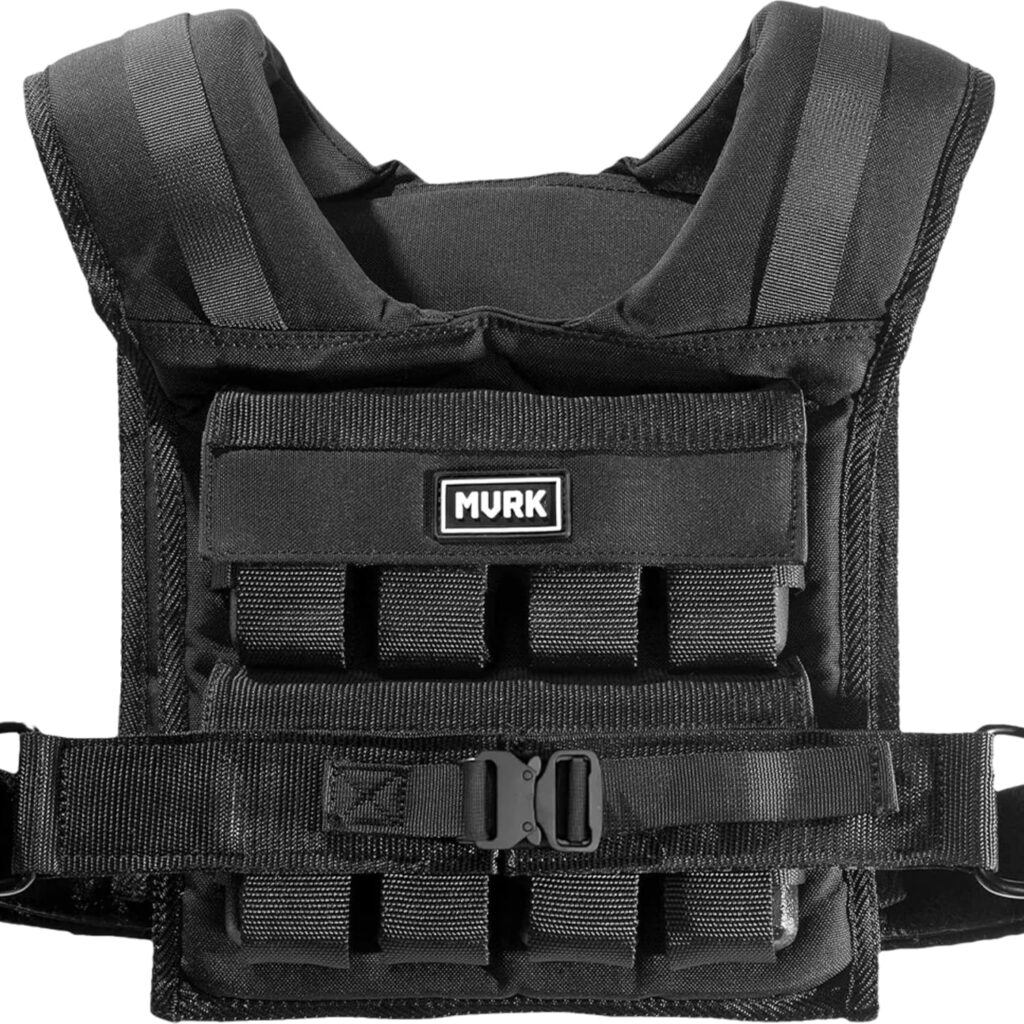
A weighted vest is a torso-worn load — most models carry 5 to 30 pounds of iron pellets, iron sand, or metal rock in a neoprene or Lycra shell. Worn during a session, it does three things at once:
- Raises the energy cost of movement. Every step, stride, and rep now moves your bodyweight plus the vest, so an identical session costs measurably more energy with it on.
- Turns bodyweight work into loaded training. Push-ups, squats, lunges, pull-ups, and step-ups stop being pure calisthenics and become progressive resistance once external weight enters the movement.
- Loads the skeleton. Bone tissue responds to mechanical stress, and ordinary walking delivers little of it past beginner conditioning — the vest adds that stress during low-skill, low-impact activity.
The entire purpose fits in one sentence: it scales the difficulty of whatever you already do, without new equipment, new skills, or a gym membership.
How the Benefits Actually Work
More energy cost from the same routine
Walking is the clearest example. A route you already complete becomes a genuinely demanding session with weight on your torso, and over weeks that cost accumulates into conditioning you would otherwise need a longer or faster workout to earn. That same cost explains the vest’s weight-management reputation: the extra energy spend stacks on top of habits you already keep. The exact effect depends on load, route, and pace.
Progressive resistance for bodyweight strength
Bodyweight training eventually hits a ceiling: once push-ups are easy, the standard answer is simply more reps. A vest changes that by adding external load while the movement stays identical, so strength keeps building the way it does under a barbell. It is especially useful for movements where holding a dumbbell is awkward — push-ups, pull-ups, dips, step-ups.
Skeletal loading during low-impact work
Bones keep density when regularly loaded, and a vest extends that loading into walking and everyday movement. That is why makers such as PACEARTH describe balanced weight distribution as supporting posture and bone health. Treat that as the maker’s intent rather than a medical guarantee — the logic is sound, but no product listing can promise what it will do for you individually.
Are Weighted Vests Good for Men? The Pros and Cons
- Pro: one tool covers many jobs. Walking, rucking, circuits, and conditioning all use the same vest — one reason it outlives most single-purpose home-gym gear.
- Pro: torso loading beats hand weights. Weight carried close to your center of mass leaves your hands free and keeps gait and form more natural than swinging dumbbells does.
- Pro: the entry cost is low. Mainstream vests sit far below the price of a barbell setup, and one adjustable model can cover years of progression.
- Con: fixed loads lock you in. A vest built at one weight offers no dial-back when you are tired or sore.
- Con: fit failures compound. Bounce and chafing on longer sessions end more training weeks than any physical limit does.
- Con: demanding uses stay demanding. Running and jumping with load stress joints far beyond the unloaded session, so high-impact use suits durable athletes, not beginners with creaky knees.
For walking-based conditioning, bodyweight progression, and low-cost variety, the answer is clearly yes. For maximal strength or sport-specific speed, a vest alone will not get you there.
Choosing and Using a Weight Vest the Right Way
Pick the load for the activity, not the ego
The 5-to-12-pound class covers the first months of walking and bodyweight work for most men — far lighter than purchasing instincts suggest. Adjustable models in the 5-30 pound range preserve room to progress; fixed vests trade that flexibility for a lower price. If the vest changes your form, the load is wrong regardless of the sizing chart.
Fit details that decide whether you keep wearing it
Even weight distribution, straps that stop the load shifting mid-movement, and sweat-tolerant fabric separate the vests men actually use from the ones gathering dust. Three vests show the range of approaches. The budget-fixed route is the Henkelion Weighted Vest Weight Vest for Men Women Kids Weights Included, Body Weight Vests Adjustable for Running, Training Workout, Jogging, Walking: 12 pounds of iron pellets and metal rock in a neoprene shell with an adjustable strap for stability, listed at $12.23 with a 4.5-star average across more than 9,000 ratings. The fit-tuned route is the PACEARTH Weighted Vest,6lb/8lb/10lb/12lb/16lb/20lb/25lb/30lb Weight Vest with Reflective Stripe, Body Weight Vests for Women, Men, Weight Loss Workout, Strength Training, Running, Walking, Jogging: a 6-to-30-pound range, shoulder pads that cut chafing on long sessions, two adjustable chest straps, and reflective stripes for low-light visibility, listed at $18.99 with a 4.7-star average from nearly 5,000 ratings. The comfort-first route is the BAGAIL Comfort-Fit Weighted Vest for Woman, Even Weight Distribution, Faster Weight Loss, No-Chafe or Bounce for Walking & Running with Detachable Phone Pouch & Reflective Stripes (Available 5-30lbs): fine iron sand in sweat-resistant neoprene, a body-hugging cut designed against bounce, a detachable phone pouch, and lifetime support, listed at $26.09 with a 4.6-star average from more than 4,200 ratings.
Affiliate disclosure: FitGearPilot may earn a commission when you buy through the Amazon links on this page, at no extra cost to you.
If you would rather buy direct, check the Henkelion 12 lb vest on Amazon, see the PACEARTH vest on Amazon, or check the BAGAIL comfort-fit vest on Amazon.
If you are carrying extra bodyweight
For heavier men the starting point shifts: your joints already move significant load through every step, so the vest’s contribution should start smaller. Begin at the lowest weight available, walk flat routes before adding hills, and favor designs built to control bounce. If a specific joint starts hurting, that is a signal to reduce load or volume first — not to push through.
Practical Examples: What a Week With a Vest Looks Like
| Session | How the vest changes it |
|---|---|
| Brisk 30–45 minute walk | The default starting session — the same route becomes a real conditioning workout, and conversational pacing keeps effort honest. |
| Bodyweight circuit | Push-ups, squats, lunges, and rows become loaded strength work, with the vest functioning like a wearable weight belt. |
| Hill walking or rucking | Elevation plus torso load raises session cost fastest; keep the load conservative until hills feel routine. |
| Rest and mobility day | No vest. Added load on recovery days produces fatigue, not adaptation. |
When results show up
Effort rises in the first session; adaptation takes weeks of consistency. Strength on loaded bodyweight movements usually responds fastest, walking endurance builds across the first months, and body-composition changes only appear when the vest’s extra energy cost is not immediately offset by extra intake.
Weight Vest Mistakes That Waste the Investment
- Starting too heavy. A load you can barely walk in turns every session into a fight with your form, and sore shoulders end the habit before any benefit arrives.
- Running with load before earning it. Treat it as a progression, not a starting point: walk with the vest for weeks before your first run, and keep running loads at the very light end even then.
- Tolerating a bad fit. Chafing, bouncing, or shifting weight mid-movement means the vest is wrong for your torso, not that you are weak.
- Wearing it all day. All-day wear mostly accumulates fatigue; the training stimulus lives in structured sessions.
- Never progressing. The vest keeps working only while the stimulus keeps rising — add weight, reps, or route difficulty over time instead of repeating one comfortable session forever.
Weight Vest Decision Checklist
- Decide the primary use first — walking, bodyweight strength, or mixed conditioning.
- Choose adjustable 5-30 pound hardware unless a fixed light vest matches a single use and a tight budget.
- Check weight distribution, strap stability, and shoulder padding before checking anything else.
- Start at a load that leaves your form unchanged, not one that feels impressive.
- Attach the vest to sessions you already keep — three per week is plenty to start.
Weight Vest Benefits FAQ
What does a weighted vest do for men?
It adds constant load to every movement you perform — higher energy cost, loaded bodyweight work, skeletal stress during upright activity. Conditioning, strength, and bone-health support all flow from that mechanism.
Do weighted vests work for men who already train?
Yes, but the entry point shifts: a trained man gets little from strolling with 10 pounds and a lot from loading the bodyweight movements he has already outgrown. The vest works when it makes a current plateau harder.
What is the point of wearing one while walking?
It converts ordinary low-effort movement into genuine conditioning — no technique to learn, no gym required, and the load scales the activity most men already do daily. That makes walking the natural first stop.
Are weighted vests safe for heavier men?
Start lighter than you think: the lowest weight available, flat walking routes, and a bounce-controlled fit before anything faster. Joints already carry extra daily load, so let conditioning build first — the full progression is in the selection section above.
Related Weight Vest Coverage
When you know the load class and fit you need, our best weighted vest for men comparison ranks the current options by stated specs, load range, and intended use.